Author: Finn Randall

  • houchachina!!!

    I am in Peru in South America. I visited a town named Huacachina. It is a desert oasis. 

    There are barely any plants surrounding Houchachina because water is very scarce. However, there is a natural spring, so plants can grow near it for about 100 feet in one direction and 10 feet in another.

    There are many tall, short, wide, steep, big, and small dunes surrounding Huacachina. If you go into the dunes and you look around you in every single direction, you can’t tell which direction to go back to the oasis also! My uncle even said “only one moon? I was expecting at least two”(he was not there) my brother said “ the whole time I could only think of the “Dune” soundtrack.” 

    Huacachina has tall dunes that are like walls. People in dune buggies like to do things like snowboarders might do on a halfpipe. Or just go straight down or up. People use the dune buggies to get to dunes so they can 

    …People like to sand board down a variety of dunes there, especially excited tourists. I did that bravely and it was really fun. I had a wipe out while riding on a snowboard down one of the dunes, but I was okay, and another time I went down on a really steep dune. I almost wiped out, but I had a crazy recovery. 

    Now you know about huacachina

    Next up NAZCA LINES
  • Kepler Track

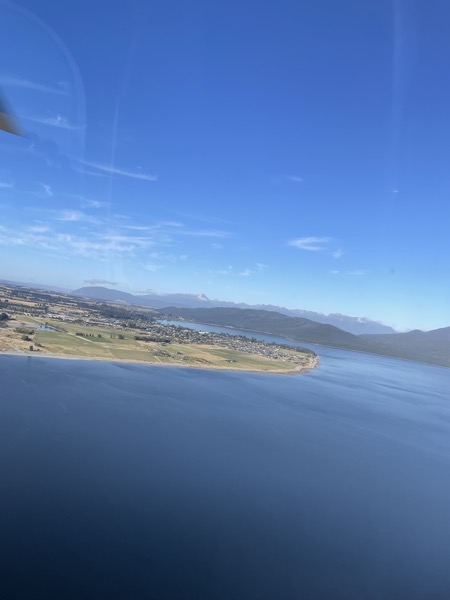
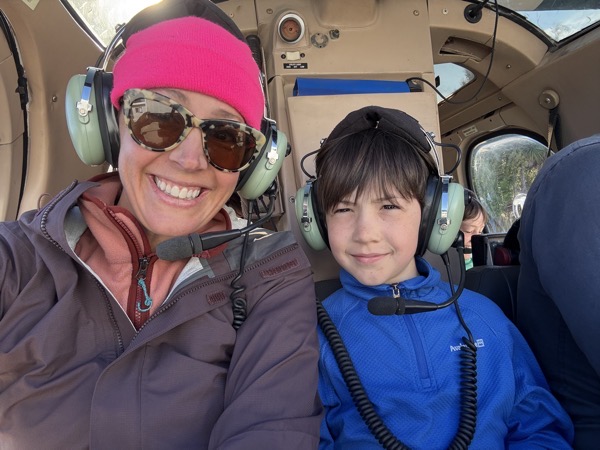
    My family was going on a big hike on the Kepler track in the Fiordlands, New Zealand. I rode in a helicopter to get to the starting point. I noticed during takeoff and landing that the helicopter pushed all the plants in a ripple effect. Helicopters are common in the Fiordlands because it has rough terrain. Some reasons helicopters are needed is so they can check invasive species traps, monitor the wildlife, rescue hikers or maintain the cabins and huts.


    When in flight, gravity and momentum act upon a helicopter similar to an airplane. The blades push certain amounts of air down making it go up and making it go down but without the blades it can’t go up or down.

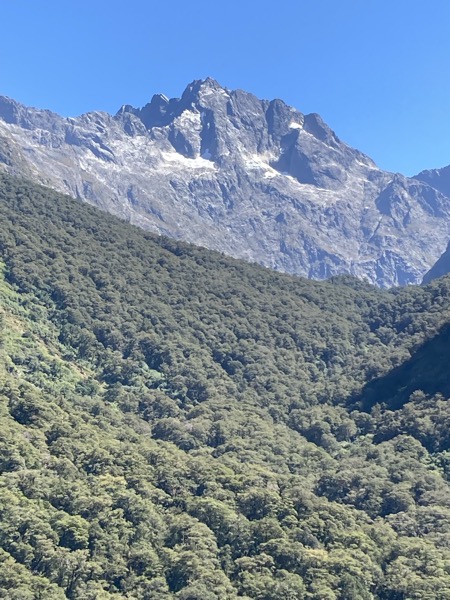
    At the very top of the summit, it was too high for plants to grow so it was just rocks. Near the top, the plants were grasses, but once you got lower down, it turned into forests with moss and ferns.

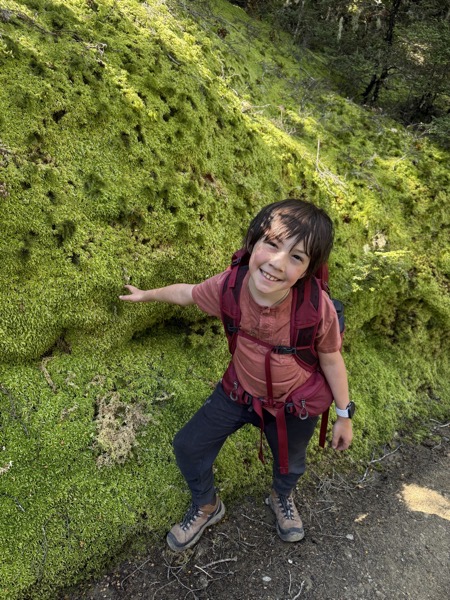
    The fiordland is full of mosses, trees, mountains, and limestone. I saw mosses and ferns everywhere in Fiordland! The fiordlands have a lot of avalanches that clear land and make it easy for moss and ferns to grow. They have bogs and marshes too.  

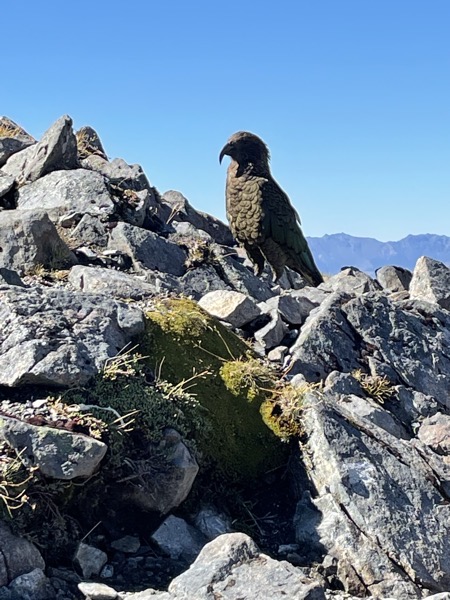
    During lunch, we met a bird called the Kea, which is green with a grey beak and some blue feathers on its wings and grey feet. The Kea is an alpine parrot. Conservationists and wildlife guides can identify them by tiny ankle bracelets that go around their legs so that they know which bird is which. The Kea we saw jumped away from us at first, but then it started to go towards us. It went over to where we had our food and stole an apple. We didn’t see that bird for the rest of the day. Kea’s are clever, keen, friendly, and curious. Our guide, Helen, was a conservationist who handfed endangered chicks and then released the grownups back into the wild to breed. 

    The fiordlands were created by volcanic activity, tectonic plate activity, and glaciers. I saw where rock slides had occurred making a slanted path. It was very dangerous and you had to be careful not to start another rock slide that could kill you.

    The Kepler Track was named after Johannes Kepler. He discovered that the planets orbit around the sun with an oval shaped orbit and he was the first person to explain how human’s see. 

  • Rob Roy Glaicer Track

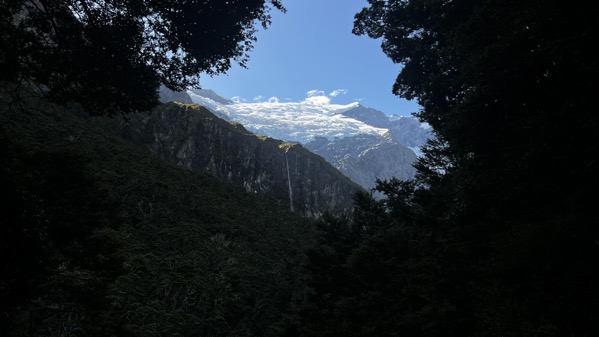
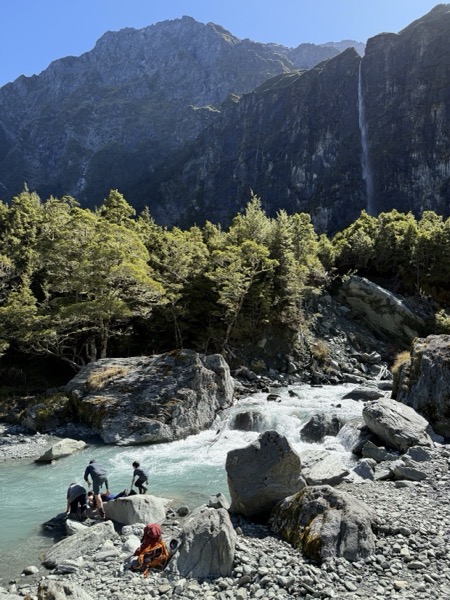
     I went on a hike to the Rob Roy glacier track and I thought it was amazing. I thought it was amazing because where I come from you don’t see glaciers that often. When I went on the Rob Roy glacier track,  I had to hike a long long time to get there but when I got there, I realized it was totally worth it. There were 16 waterfalls and an icy blue river. I researched and figured out why the glacier was so blue. When glaciers form, many layers of snow accumulate without melting and compress on top of each other year after year. When all the snow gets compressed, it turns into ice, making a glacier. Sometimes the glacier ice gets so heavy and dense that it squeezes all the air bubbles out making it look blue. This is because ice absorbs a little bit of red light. When the ice becomes really dense, light travels deep into the ice before bouncing and refracting back out, leaving a little bit of a bluish tint. (Source: National Snow and Ice Data Center.)

     About 10% of Earth’s land is covered in glacial ice! But 12,000 years ago, 32% of Earth’s land was covered in glacial ice- that was in the last Ice Age. Almost 69% of Earth’s freshwater is in ice caps and glaciers. When I went on the hike, the Rob Roy glacier was melting. I know it was melting because I observed it running into waterfalls that flowed into a river. 

     When glaciers melt the water can destroy lakes and reservoirs causing the amount of freshwater available to decline.

    x

    Also it causes a chain reaction that we can’t stop because when it melts it makes more heat because the white ice reflects the sunlight but without the white ice it won’t bounce back so the glacier melts even faster and we can’t stop it. We can slow it down though by not making as much greenhouse gas and saving energy. People are the main reason global warming is happening. If the glaciers melt, it could cause other problems too, like releasing diseases that have been frozen in there for millions of years.
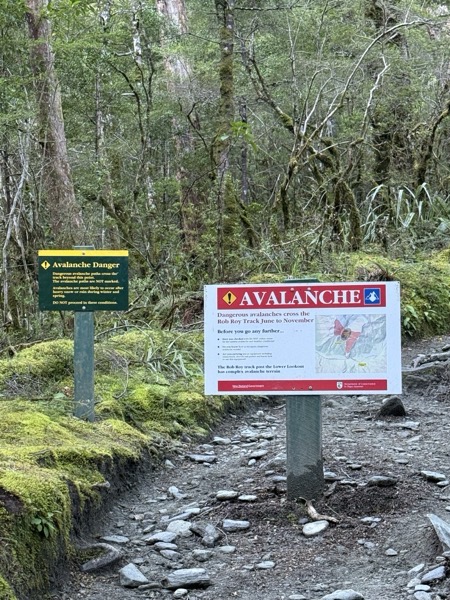
     It was cool to visit, but you have to be really careful. there were signs warning about avalanches and people die every year because of them.

    c

  • eels!!!!!

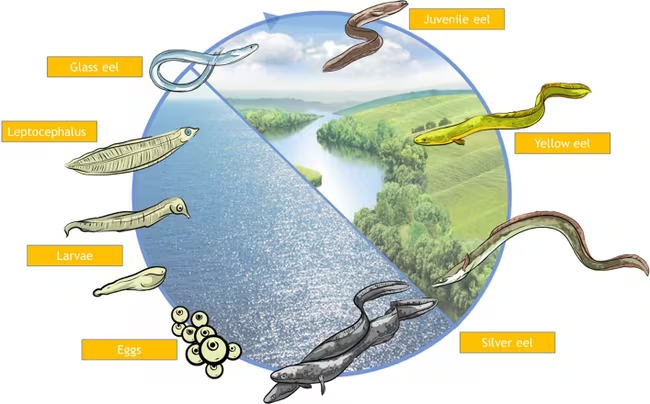
    When I saw the eels I was so amazed and we even got to feed them (multiple times)! Their life cycle starts out as larvae(they look like transparent leaves), then its glass eel, next comes elvers, and finally an adult eel. 

    if  they were to disappear and run out in population, then whatever they eat do wouldn’t have any predators so they would eat up all their food and then their food dies and then they don’t have anything to eat  and die and then their prays pray will do the same thing until all of the animals in that food chain die out including plants, which could affect other food chains because some animals might have multiple predators or multiple prey. This is a problem we need to fix and fast because they have been trying to save them but pollution and stuff is making more and more die, which will affect the food chains more.

  • Hobbiton!

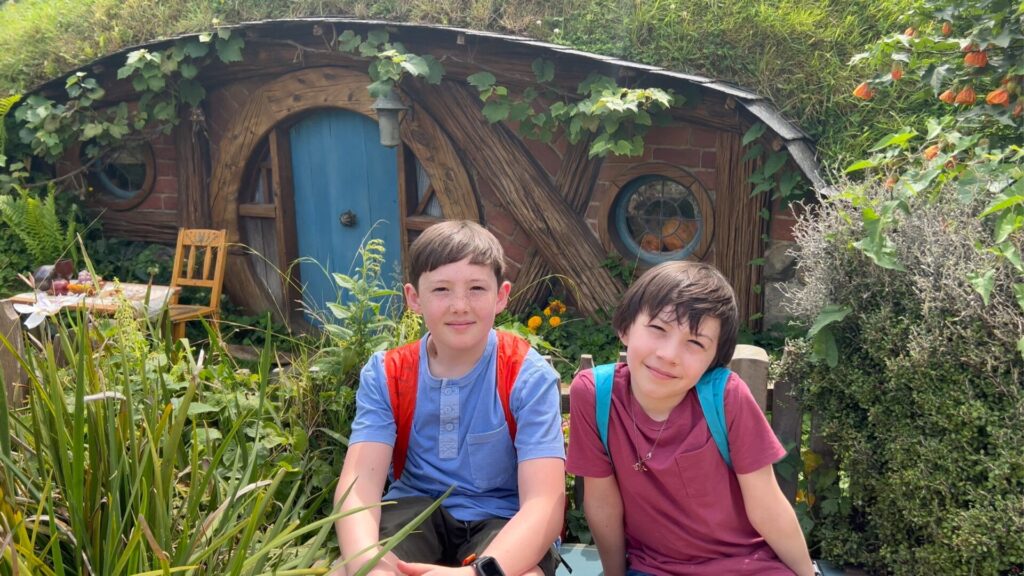
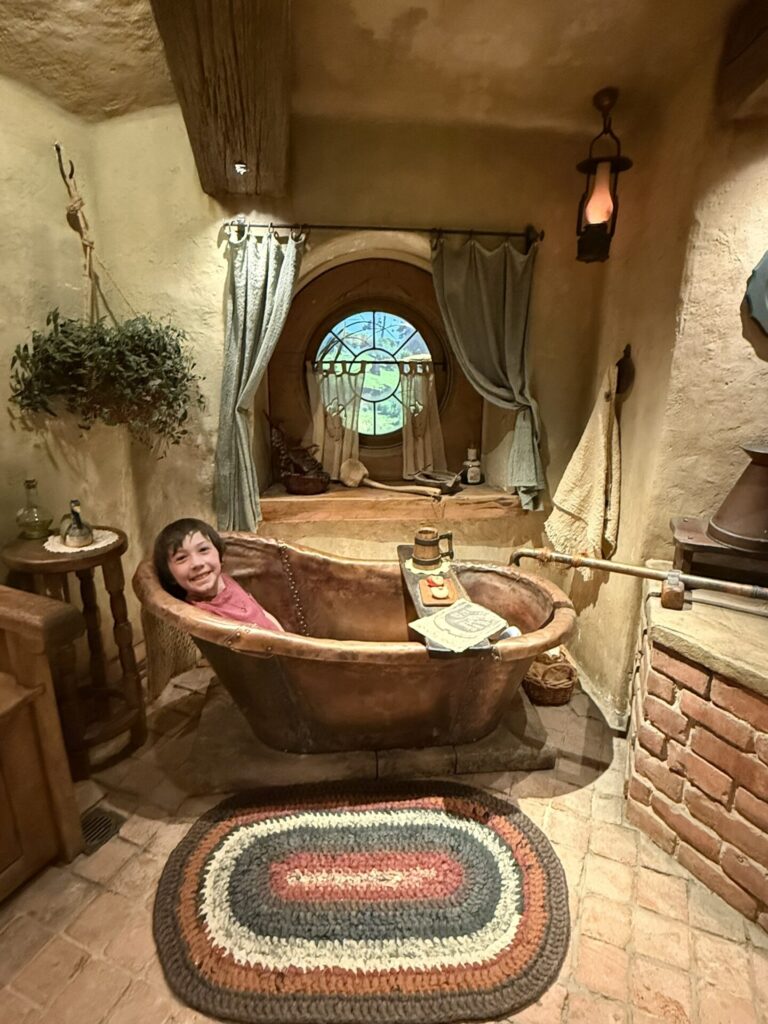
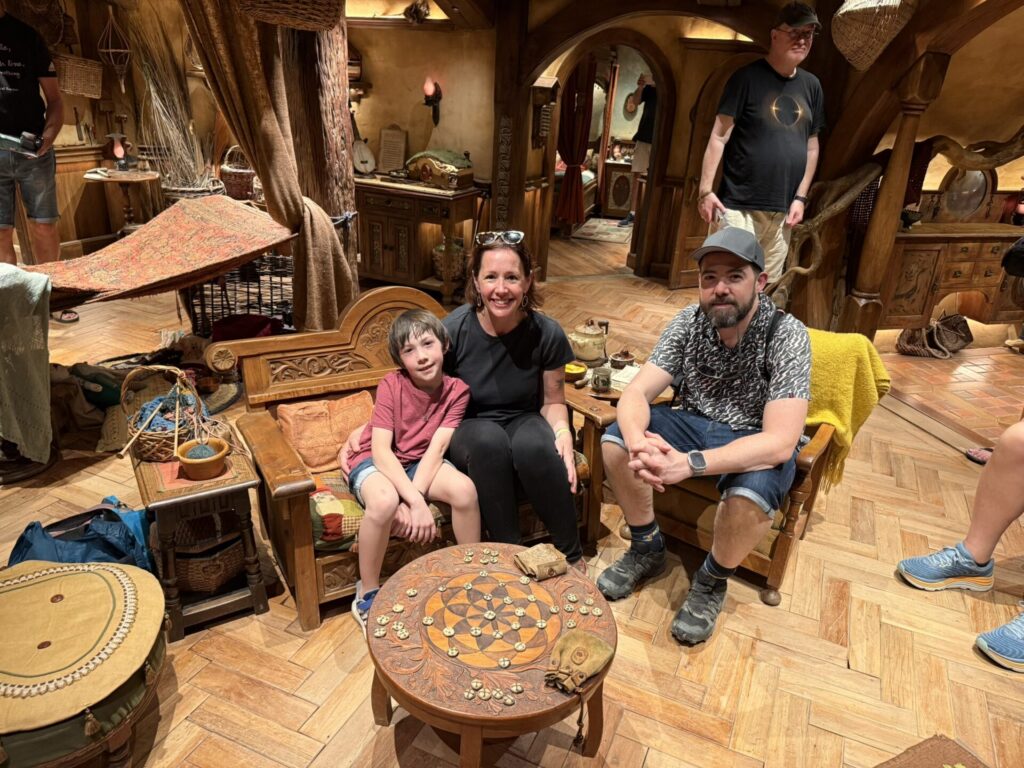
    One thing that surprised me and Hobbiton was that a lot of stuff was handmade and hand painted.

    If I were filming a movie, I would definitely be as fanatical as Peter Jackson.

    I think that the reason that Peter Jackson was staying so true to the books was that he didn’t want it to confuse anybody.

    Peter Jackson used force perspective to make  big actors look like tiny hobbit.

    my favorite part of the tour was when you got to walk through in actual hobbit hole.

    This visit inspired me to watch more  of the Lord of the rings and The Hobbit.

  • Glow worms!

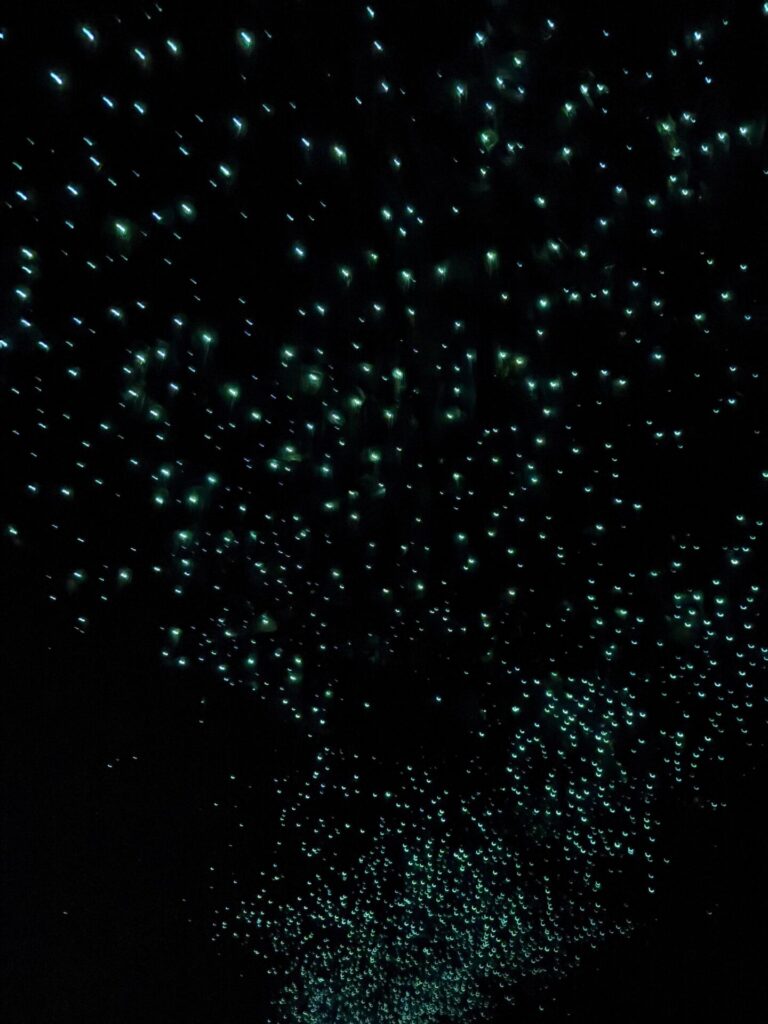
     I  felt so astonished when I saw the glowworms. It was amazing, but also a little bit scary.

    It was like fifty six degrees, and there was also a fast moving river.

    Glow worms eat fly larva. Glow Worms live in caves, and the rivers beneath the glow worms have fly eggs in them. When they hatch they want to get out and think the glowworms are the stars so they go up to them and get tangled in their webs. If it wasn’t dark though they wouldn’t get fooled and tangled in their webs

    Glow worms make light by using chemical reactions.


  • Mount Doom!

    In this experience  I learned I can do anything(even if my feet hurt).

    When i went to Tongariro alpine Crossing I found the Devil’s Staircase because it went up and up and up and up and up and up and up and up and up and up and up and up and up and up and up and up and up and up and up and up and up and up and up and up and up and up and up and up and up and up and up and up and up and up and up and up and up and even farther up!(but also at the end because my feet hurt).

    I saw volcanic rocks, craters, steam pools, blue lakes, green diamond lakes, and sulfur pools.

    I think that Peter Jackson chose this Landscape because it had bushes that you could easily use CGI to make it look like black mud.

  • The Waka

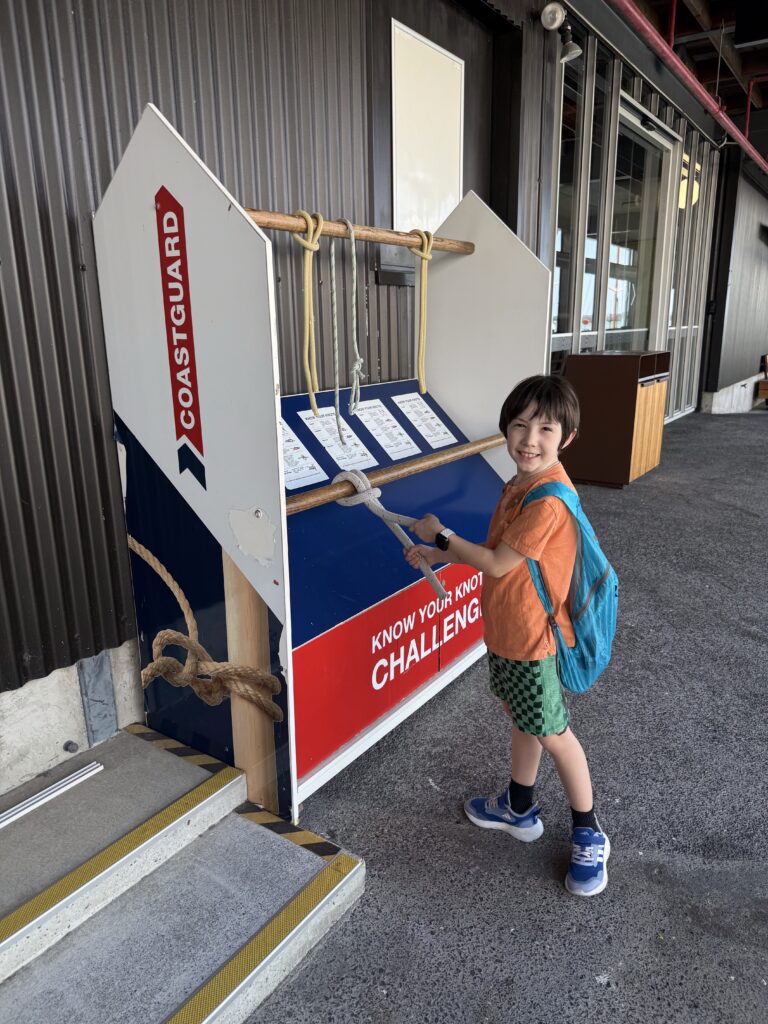
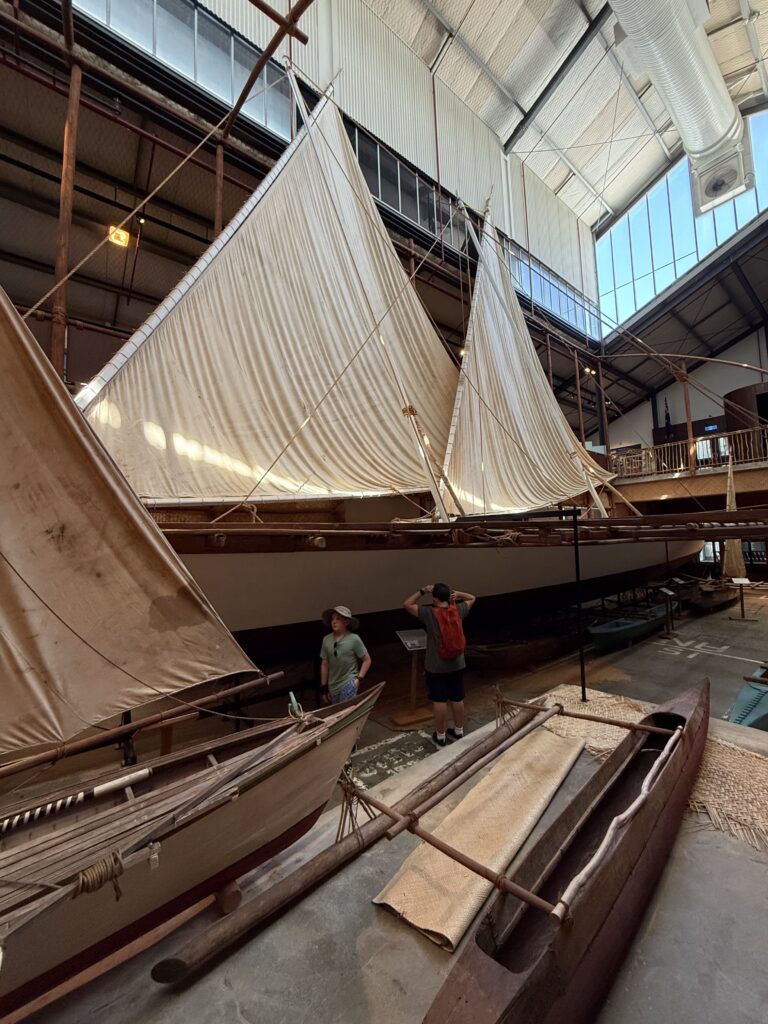
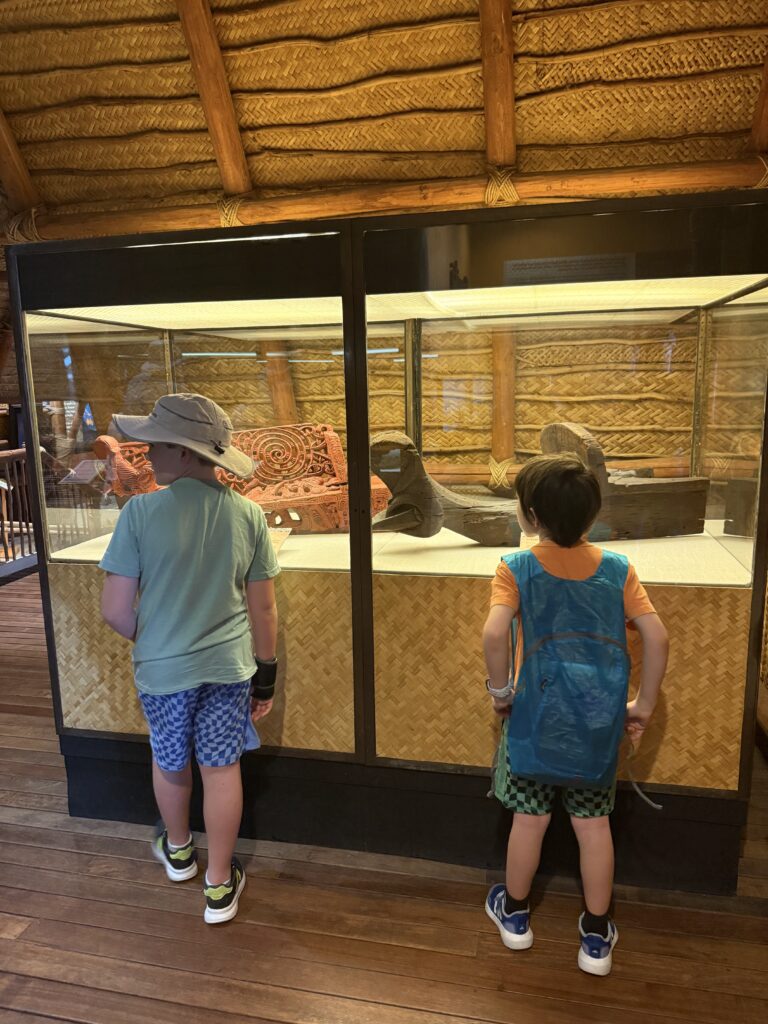
    When I went to the Maritime Museum in Aukland my favorite exhibit was the one where you have to steer a ship  to a place.

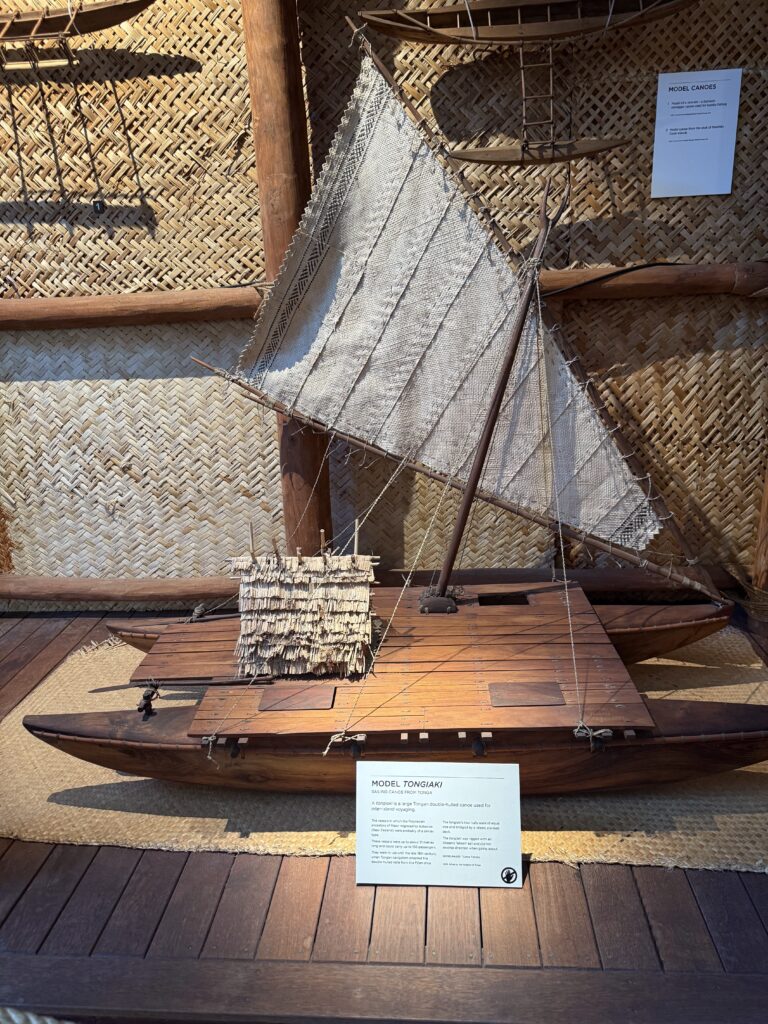
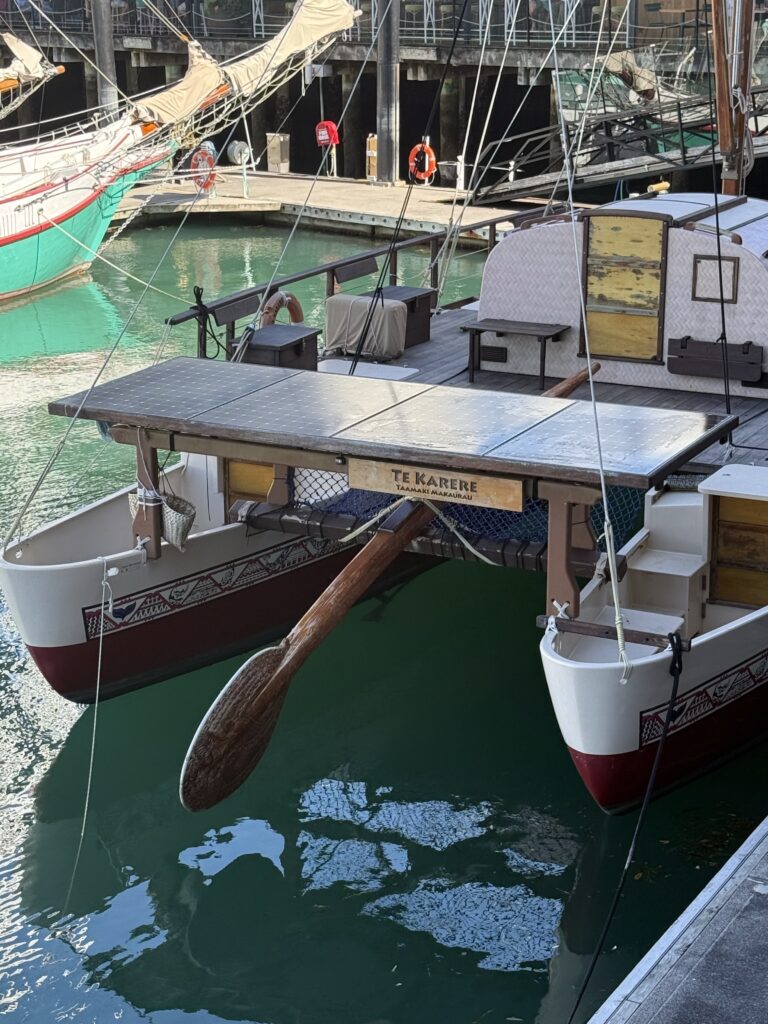
      The Maori already called the ships waka. They have two hou/hiwi (the part that sits in the water like hulls) to keep you from getting seasick. People sleep in the hou/hiwi. They join the hou/hiwi using the kiato. The kaupapa gives us a place to walk on like a deck. They use a whare like a stovetop (a place to cook).

    They didn’t have motors so they had to use sails called ra.

    They use a hoe to steer (which looks like an oar or paddle, but works like a rudder).

    The last thing you would find on a waka is the kautao mauri stones which are to comfort you if you are in the middle of a storm or are feeling home sick/sea sick.

  • Waiheke Island, New Zealand

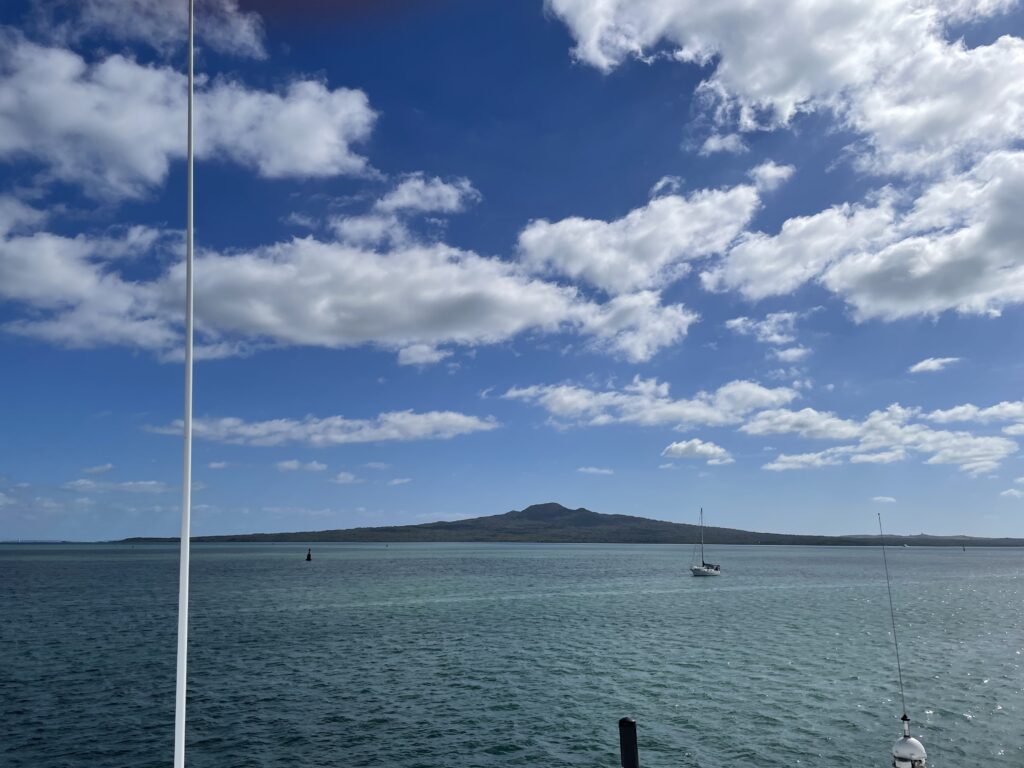
    On our way from the northern island to Waiheke Island we rode a ferry. It was very big. We also saw about twenty other islands. About five were even volcanic! 

    The word Waiheke means “cascading waters” or “trickling waters”.

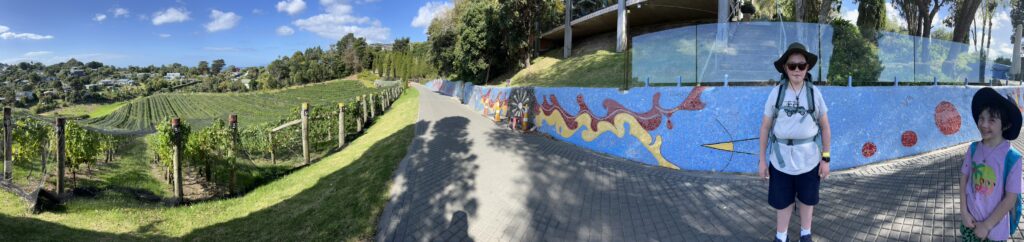
    Also Waiheke Island has a large number of vineyards because its soil is very good for growing grapes making it an ideal place to sell wine to other parts of New Zealand. When I went to one we saw lots of mosaics (broken bits of pottery )then we saw lots of shapes in the clouds.

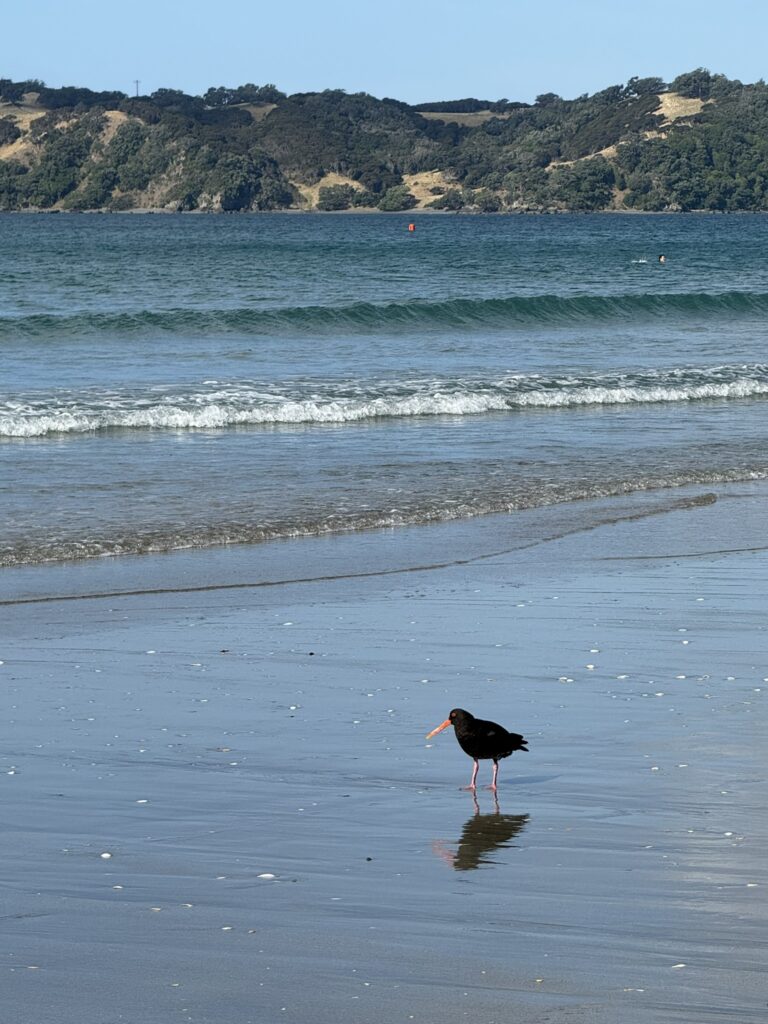
    Waiheke Island is rich in birdlife and islanders want to keep it that way by taking out predators that aren’t supposed to be there like stoats. You might see stoats traps witch look like little black boxes

    The trails and paths are protected by washing your feet on brushes built into the ground.