Author: Samuel Randall

  • Tongariro Alpine Crossing

    We went on our first big hike of our trip. The Tongariro Alpine Crossing is one of New Zealand’s biggest and most famous hikes. It also features some of the famous Lord Of The Rings filming spots such as Mount Doom or the kingdom of Mordor. The Tongariro Alpine Crossing is split up into five parts. The first part is the Soda springs, the devil’s staircase, the red crater climb, the blue lake, and the Ketetahi hut. Being 20.2 kilometers it is by far the hardest hike I have ever done, plus I did it with my own pack. We also climbed 4000 feet of elevation and ended up 6500 feet above sea level at the highest point. The hardest point, in my opinion, was the red crater, hike we walked on uneven sliding rocks, next to a cliff, at a high elevation, and with an extreme incline, and at the hottest part of the day. However the view was quite worth it…

    As we did on our adventure to Hobbiton, we were able to compare what we saw in the movies to what we were seeing. I can see why Peter Jackson picked this location for Mordor. It’s scary and there is volcanic rock everywhere. It’s like living on a martin planet! And at the same time there’s geothermal springs, emerald acidic lakes,

    magma chambers, landslide areas, and steam vents, and then out of nowhere, there’s jungle! The climate was like nothing I’ve ever seen! This was a really, really hard hike, and during the hardest parts of the hike I thought I would have to turn back. Though I knew in the end there would be an amazing view, and as I said, it was well worth it! Our guide was really informed too, she knew a lot about the area, she had been working there for 25 years! She told us all about the maoris connection to the mountain. She also told us about landslides and different types of eruptions. In the beginning I was very confident, but the mountain is bigger than it looks, especially once you’re climbing it. By the end in the jungle you couldn’t really see the end anymore, and there was no view of the valley. so that made it a lot trikeir to stay encouraged, but we were only in the jungle for the very end. In all it was hard, but worth it. My shoes were a bit too big for me and they kept sliding around in the shoe. I will never forget how bad my toes hurt afterwards!
  • Waitomo Glowworm Caves

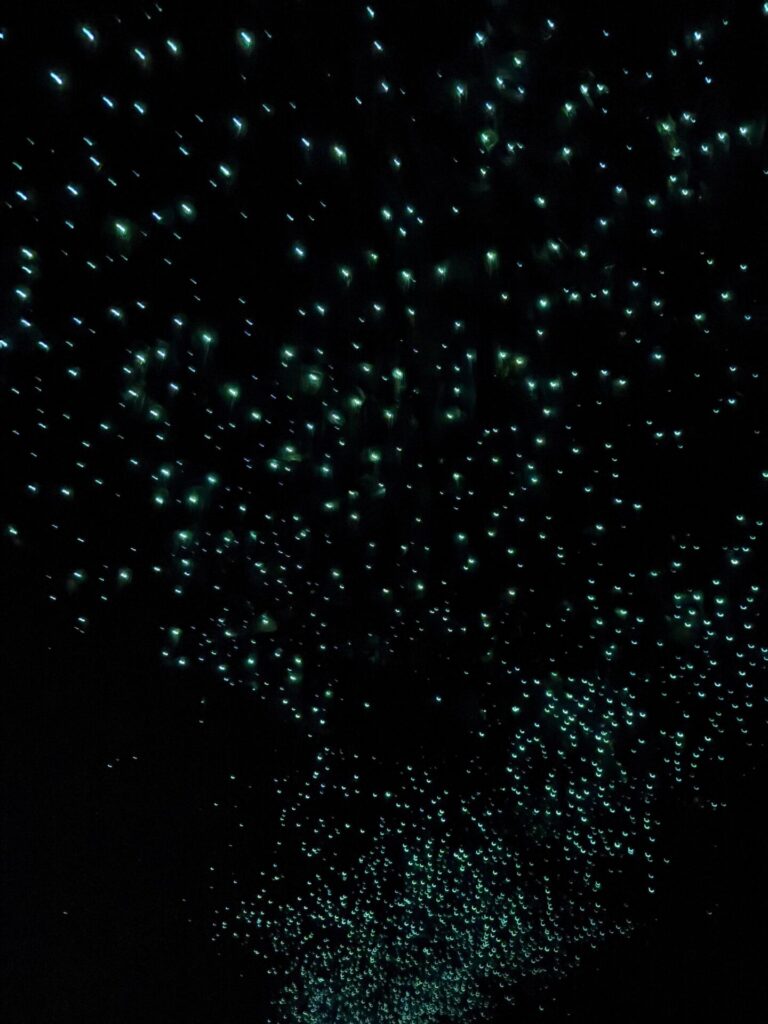
    When I first saw a glow worm, it was pretty fascinating. But it wasn’t the coolest thing – also, there was only one. Later, our tour guide showed us how the glow worms eat and why they glow, and then I got really engaged. Then, after seeing more individual glowworms, we hopped into a raft (still underground). We slowly went through a river that ran through the mouth of the cave. Soon after we turned a corner. There it was, were thousands of glowworms! I could see how bugs thought of them as being the night sky. It was one of the coolest things I’ve ever seen!

    As we got deeper the cave got cooler, obviously. It was around 15 degrees celsius I think. In the first cave you could here the river, and that’s just about it. In the second cave you could hear, and unfortunately sometimes feel water droplets, forming the cave itself. Sometimes it was dark, sometimes you saw animal bones, and others you saw glowworms.

    I learned that glow worms are not actually worms, they are larvae of a fly! I also learned why they glow. Glow worms actually only produce their glow from one place in their body, an organ in their tails! Bioluminescence is created by a chemical reaction, in this case, inside the glowworms waste. Glow worms glow to attract bugs. (Bugs think they are escaping the cave by seeing the nighttime sky), their glow can only be seen in the dark. They make strands of sticky strands of web (as demonstrated below in the picture). Bugs, trying to escape the cave, fly up and get caught in the strands, then the larvae pull the strand up and eat the bug (kind of like fishing, also kind of like a spider)!

    The cave environment is damp and has bugs. The cave environment also provides a dark space. So, the bugs will actually think the glowworms are the night sky. Caves are important for glow worms food. Other animals that I saw in these caves were the flys and other bugs for food, Obviously. I also found huge cave crickets, and albino cave ants. We also saw eels in the river inside the cave. The Glowworms in the Waitomo Glowworm Caves. Are essential to the ecosystem and they help keep the bugs under control. The Maori people have cultural beliefs connected to Waitomo Glowworm Caves. this is why the caves are a taonga in their native language(treasure) and the original entrance was used as a burial ground by the Maori people. According to legend the caves are kept safe by a mythical creature, the Taniwha. Some areas are roped off, railings are drilled and lights are drilled in so the caves are safe to tourists. Cave inspectors come through to check on sinkholes and rivers, for the safety of tourists

  • Waiheke Island

    Waiheke Island is an Island off the coast of NZ (north main island, Auckland), Waiheke in english means cascading or ebbing water. Maori people have lived there for hundreds of years, I think I saw a Pou (similar totem poles) on the way there (we took a ferry) we got to really see New Zealand outside of auckland for the first time. There were many smaller islands; they almost looked volcanic because of abrupt pointy hills.

    On the island most people worked in restaurants or had some sort of job related to the tourists, as it is a big tourist attraction, some people also worked on vineyards, farms, ect. Out on the island they had to use rainwater for bathing, washing hands, and more because there are no usable water sources on or under the island. There are many vineyards on the island due to its climate, its long summers and mild winters make it the “Mediterranean” of New Zealand.

    There are many amazing animals on the island, and plants, I saw birds like theTūī, and aPīwakawaka – Fantail

    Pīwakawaka – Fantail. I even saw a stingray. We followed the stingray and it led us behind rocks to a secret beach with lots of cool shells. It was very cool! My mom built a sculpture of birds out of shells.At the entrance to the forest there was a sign to wipe your shoes. After researching I figured out this helps prevent a dangerous type of water mold from spreading! There were brushes and it was a smart way to keep the island safe!
    Waiheke Island was a special place with amazing animals and views. If you’re ever in Auckland check it out!

  • Auckland Maritime Museum

    By Sam Randall

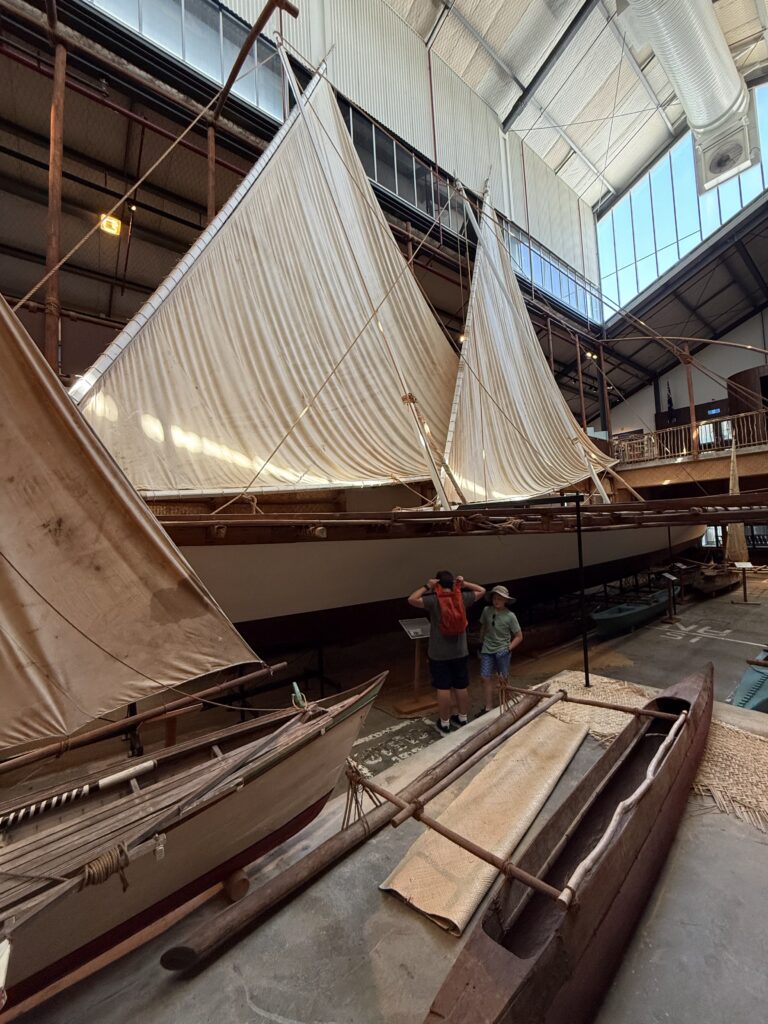
    We recently went to the Maritime museum in New ZealandAt the maritime museum in Auckland New Zealand, I learned a lot! The Maori people used many techniques to find their way across the Pacific Ocean. They knew things like how to wayfind. Or using knowledge like islands to block waves, and ocean swells and create calmer water. The Maori people first arrived on the north island of New Zealand  in a boat: a Polynesian Voyaging Waka. That is the boat above! Although holding many people at a time, the Polynesian Voyaging Wakas were  narrow and unstable. After arriving in New Zealand, they found the New forests were vast and had thick trees. Therefore the Maori could build wider, more stable New Zealand Voyaging Wakas! Their knowledge of wayfinding and where to find calm water helped them travel across the Pacific. Therefore they became the first settlers of New Zealand!

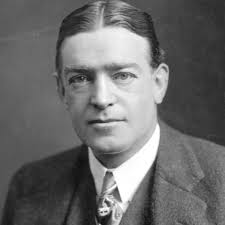
    I researched an explorer to write about. I chose Ernest Shackleton

    as my explorer to research; there was an exhibit on him at the Auckland Maritime museum. Shackleton and his crew’s exploration of Antarctica was an inspiration to many others. When the crew’s safety was threatened, instead of going for glory as the first to cross Antarctica, he chose that his crew was more important. When trying to cross Antarctica on foot bad things happened. They faced huge challenges such as their boat “The Endurance” getting stuck in the ice and sinking

    Endurance epic ...

    . Soon after they had to eat their dogs. He was persistent in keeping the crew encouraged. After months of limited food, and harsh weather, from being stuck on the ice, Shackleton made a daring voyage back on a lifeboat for help. Once getting a better boat, he made 4 attempts to find his crew. He finally rescued all members of his crew. They all survived, minus some toes. His bravery and persistence contributed to all explorers as inspiration!