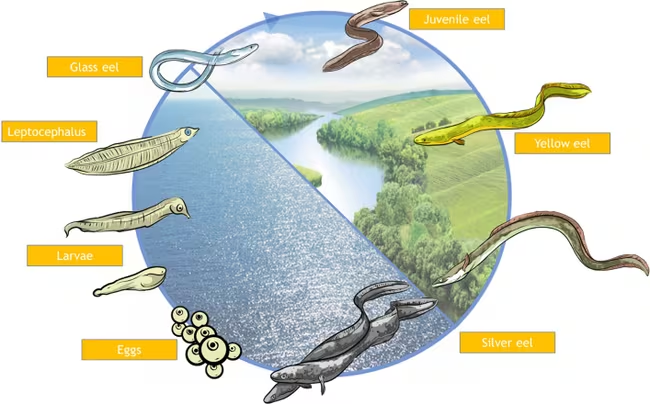
When I saw the eelsI was so amazed and we even got to feed them (multiple times)! Their life cycle starts out as larvae(they look like transparent leaves), then its glass eel, next comes elvers, and finally an adult eel.
if they were to disappear and run out in population, then whatever they eat do wouldn’t have any predators so they would eat up all their food and then their food dies and then they don’t have anything to eat and die and then their prays pray will do the same thing until all of the animals in that food chain die out including plants, which could affect other food chains because some animals might have multiple predators or multiple prey. This is a problem we need to fix and fast because they have been trying to save them but pollution and stuff is making more and more die, which will affect the food chains more.
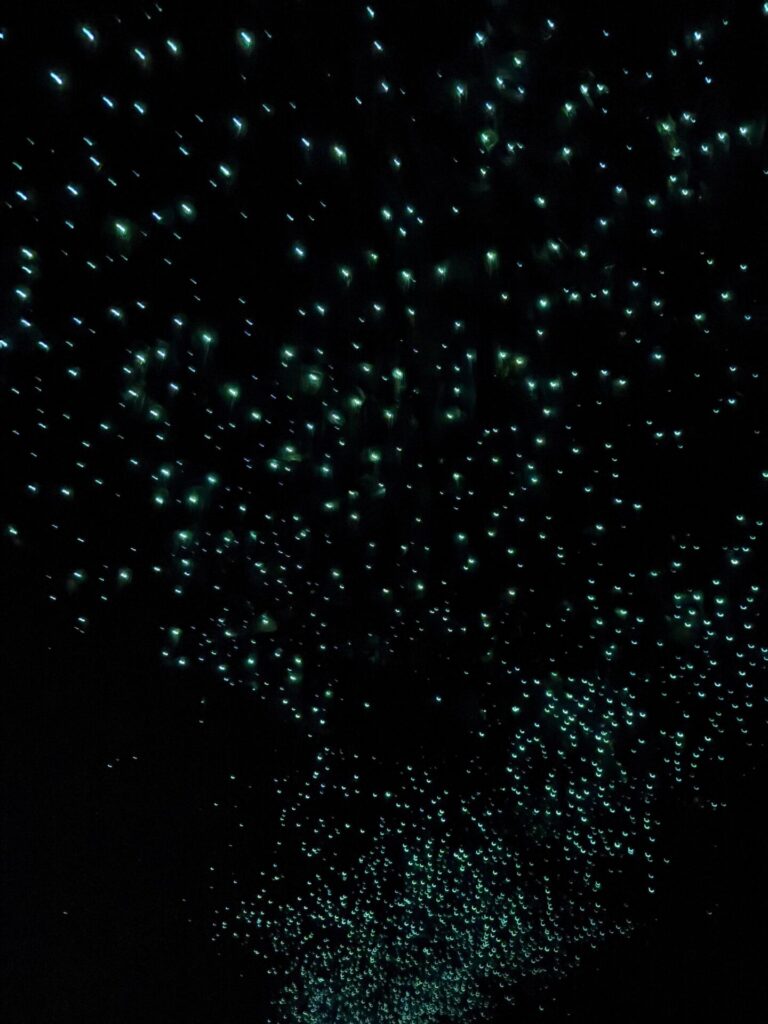
I felt so astonished when I saw the glowworms. It was amazing, but also a little bit scary.
It was like fifty six degrees, and there was also a fast moving river.
Glow worms eat fly larva. Glow Worms live in caves, and the rivers beneath the glow worms have fly eggs in them. When they hatch they want to get out and think the glowworms are the stars so they go up to them and get tangled in their webs. If it wasn’t dark though they wouldn’t get fooled and tangled in their webs
Glow worms make light by using chemical reactions.
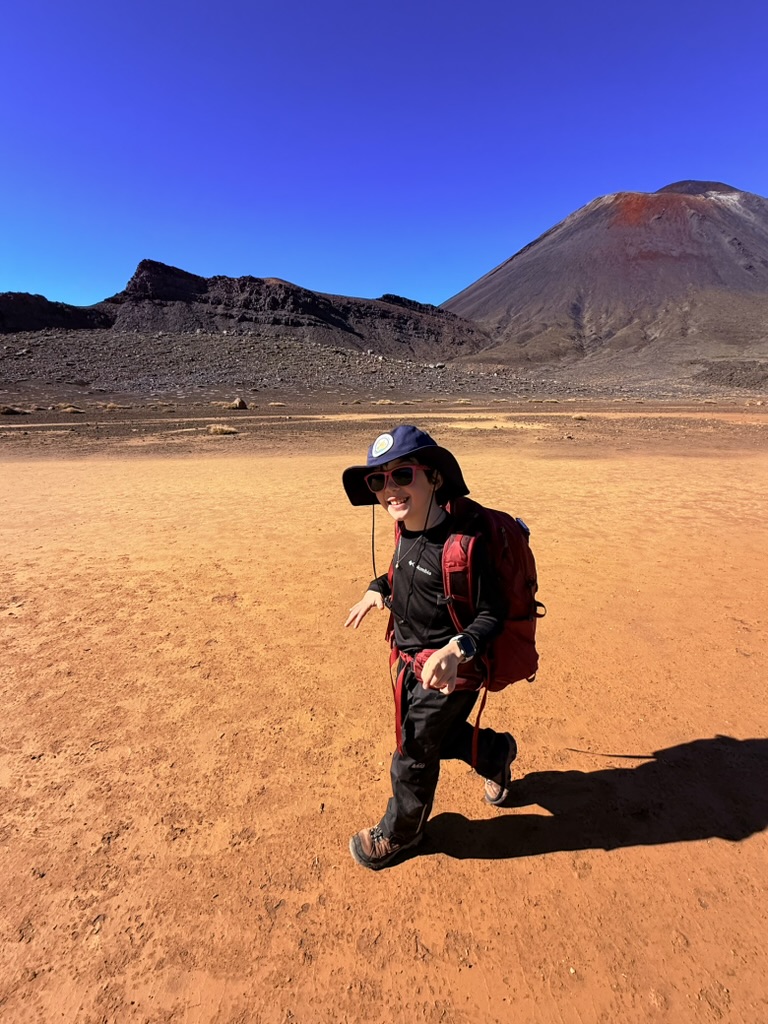
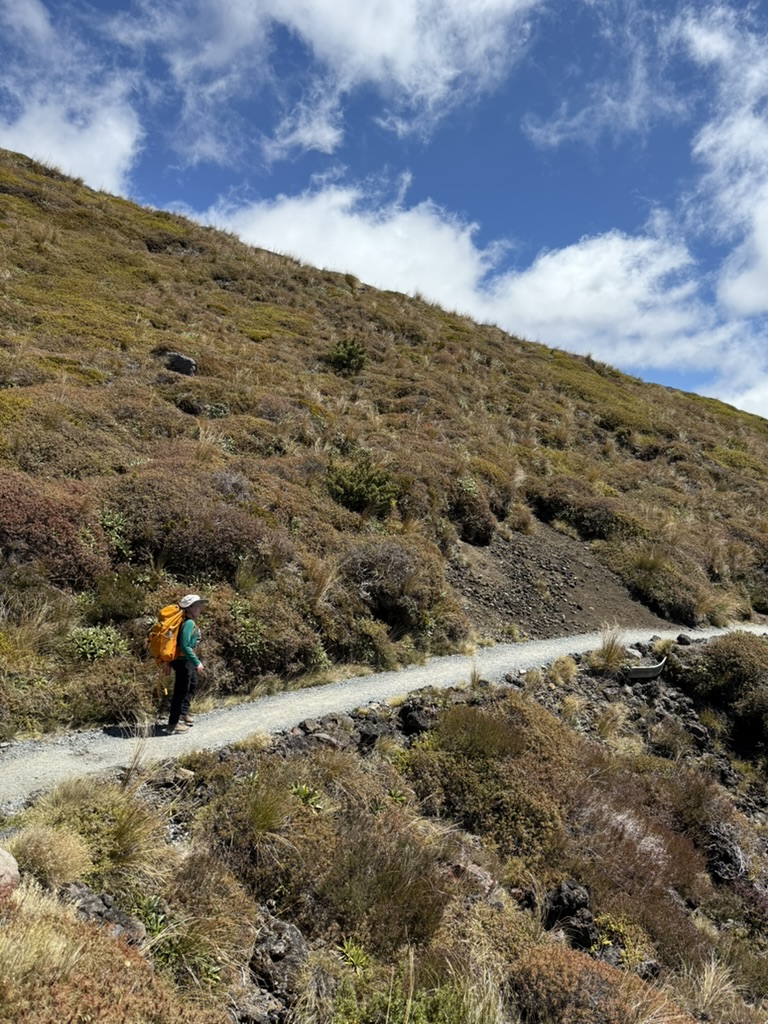
We went on our first big hike of our trip. The Tongariro Alpine Crossing is one of New Zealand’s biggest and most famous hikes. It also features some of the famous Lord Of The Rings filming spots such as Mount Doom or the kingdom of Mordor. The Tongariro Alpine Crossing is split up into five parts. The first part is the Soda springs, the devil’s staircase, the red crater climb, the blue lake, and the Ketetahi hut. Being 20.2 kilometers it is by far the hardest hike I have ever done, plus I did it with my own pack. We also climbed 4000 feet of elevation and ended up 6500 feet above sea level at the highest point. The hardest point, in my opinion, was the red crater, hike we walked on uneven sliding rocks, next to a cliff, at a high elevation, and with an extreme incline, and at the hottest part of the day. However the view was quite worth it…
As we did on our adventure to Hobbiton, we were able to compare what we saw in the movies to what we were seeing. I can see why Peter Jackson picked this location for Mordor. It’s scary and there is volcanic rock everywhere. It’s like living on a martin planet! And at the same time there’s geothermal springs, emerald acidic lakes,
magma chambers, landslide areas, and steam vents, and then out of nowhere, there’s jungle! The climate was like nothing I’ve ever seen! This was a really, really hard hike, and during the hardest parts of the hike I thought I would have to turn back. Though I knew in the end there would be an amazing view, and as I said, it was well worth it! Our guide was really informed too, she knew a lot about the area, she had been working there for 25 years! She told us all about the maoris connection to the mountain. She also told us about landslides and different types of eruptions. In the beginning I was very confident, but the mountain is bigger than it looks, especially once you’re climbing it. By the end in the jungle you couldn’t really see the end anymore, and there was no view of the valley. so that made it a lot trikeir to stay encouraged, but we were only in the jungle for the very end. In all it was hard, but worth it. My shoes were a bit too big for me and they kept sliding around in the shoe. I will never forget how bad my toes hurt afterwards!
In this experience I learned I can do anything(even if my feet hurt).
When i went to Tongariro alpine Crossing I found the Devil’s Staircase because it went up and up and up and up and up and up and up and up and up and up and up and up and up and up and up and up and up and up and up and up and up and up and up and up and up and up and up and up and up and up and up and up and up and up and up and up and up and even farther up!(but also at the end because my feet hurt).
I saw volcanic rocks, craters, steam pools, blue lakes, green diamond lakes, and sulfur pools.
I think that Peter Jackson chose this Landscape because it had bushes that you could easily use CGI to make it look like black mud.
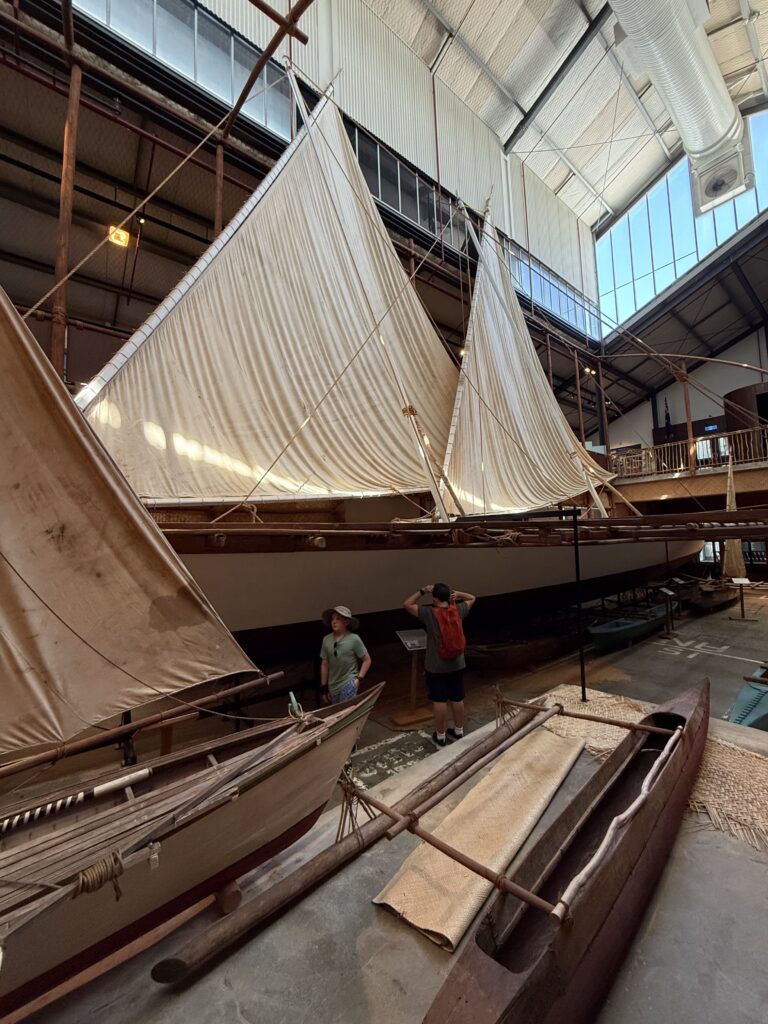
When I went to the Maritime Museum in Aukland my favorite exhibit was the one where you have to steer a ship to a place.
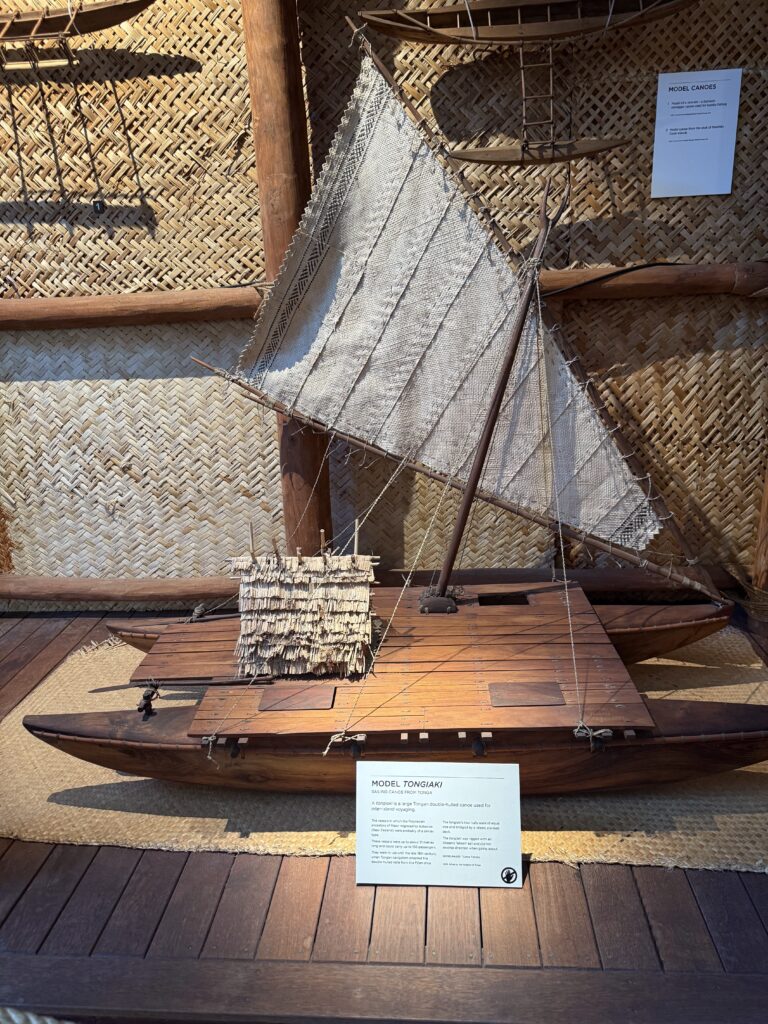
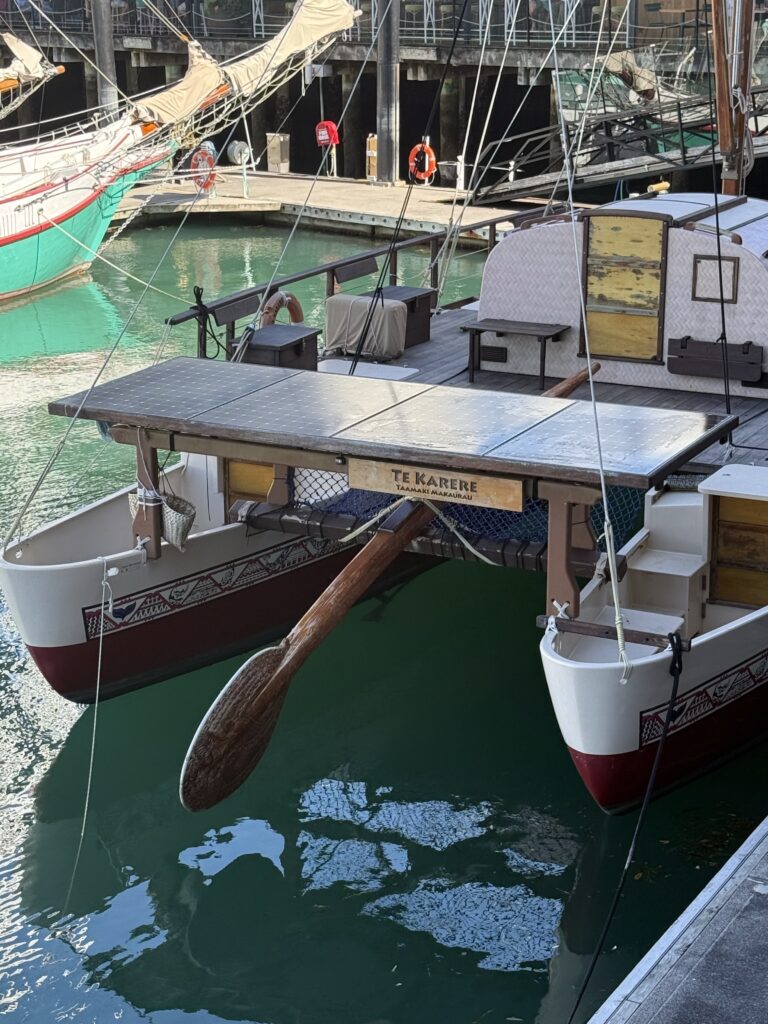
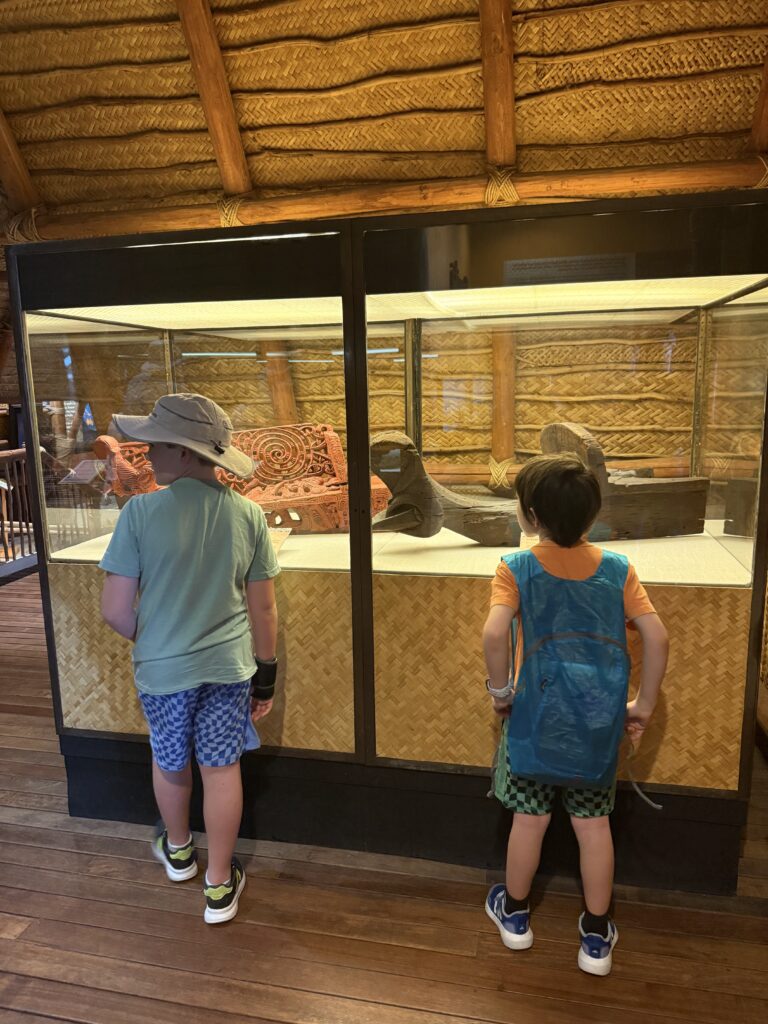
The Maori already called the ships waka. They have two hou/hiwi (the part that sits in the water like hulls) to keep you from getting seasick. People sleep in the hou/hiwi. They join the hou/hiwi using the kiato. The kaupapa gives us a place to walk on like a deck. They use a whare like a stovetop (a place to cook).
They didn’t have motors so they had to use sails called ra.
They use a hoe to steer (which looks like an oar or paddle, but works like a rudder).
The last thing you would find on a waka is the kautao mauri stones which are to comfort you if you are in the middle of a storm or are feeling home sick/sea sick.
Today we completed one of NZ’s best hikes, known as the Tongariro Alpine Crossing. The Crossing is a 13 mile trek through the volcanic system of Mt. Tongariro. It is called a system because it has many peaks and valleys. One of the most prominent features of Tongariro is Mount Ngauruhoe, an intimidating cone volcano that sticks out above the clouds. The mountain is so scary-looking, it was used to film scenes from Lord of the Rings where the characters are on a volcano called Mount Doom. To start the hike, there is a few miles of hiking through light bushes. It reminds me of when I went out West; in the western US there are lots of patches of sagebrush, a short bush. Since the bushes were short, we were able to see the huge mountains ahead of us. As we got closer and closer to the mountains, the bushes were replaced by jagged volcanic rocks and yellow moss. We learned that when volcanoes erupt, they shoot out lava bombs that cool into rock as they fall. This creates some really cool rocks in all different shapes and sizes. As we came closer to the foot of the mountain, we began our climb. The first big climb was a section called the Devil’s Staircase. It is aptly named; the climb is very difficult. It was literally like climbing a steep staircase for 45 minutes. Everyone in our group was breathing hard: it was cold, the air was thin, and the climb was pretty miserable. But as we climbed higher, the terrain just got stranger and stranger. The moss and lichen started to disappear, and it was getting rockier. As we reached the peak, all the rocks were tinted orange like they were rusting. All of the sudden, we crested the ridge, and this bizarre landscape unfolded in front of us.
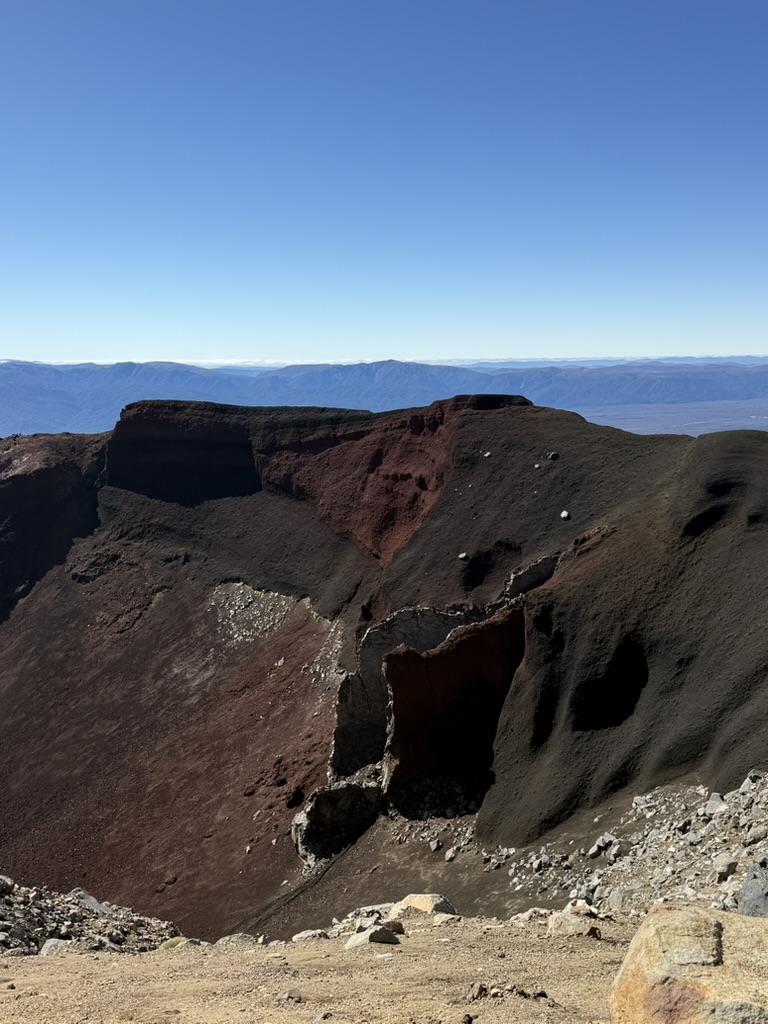
A vast valley filled with orange mud and volcanic rocks. We walked across the orange muddy valley in between Mount Ngauruhoe and other high peaks. It looked like the surface of mars: orange ground, black rocks, red volcano. Above us was the bluest sky I had ever seen. It felt like we could peer right into space and see the stars. We were all grateful for the flat ground, because our legs were so tired. But right in front of us loomed our second climb: the Red Crater ascent. After we crossed the valley, another climb would bring us to the highest altitude of our journey. This climb was shorter than the Devil’s Staircase, but it was a lot steeper and a lot more dangerous. Another challenge is how the air gets thinner at such a high altitude. As we climbed, we saw a giant valley filled with lava bombs on the other side of the mountain where we learned another place from Lord of the Rings was filmed – Mordor. Mordor is the “outpost of evil” in the Lord of the Rings – and it is easy to see why. The black soil and jagged rock make a really gloomy look. We finally reached the highest point of our journey at the peak – the view was incredible! Mount Ngauruhoe in one direction, and sapphire sparkling pools in the other. From the peak we could also see steam vents where hot steam from underwater springs escaped the ground. The trail area is heavily active underground because it is on top of a volcano. The reason it is called the Red Crater ascent is because at the top, there is a crater where lava comes out of during an eruption, and the soil is dark red. There is a dyke, or a vertical crack in the mountain that leads into the magma chambers on the inside of the mountain.
Then came our descent. We climbed down a steep ridge, but the challenge was not the steepness – it was the terrain. The ground was basically volcanic ash, so you sunk into the dirt when you stepped and you would slide. In other places, tiny pebbles were like marbles under your feet and you could slip very easily. There were no handholds and it was very steep. But it was actually a lot of fun to make our way down, especially after those massive ascents. We came down to another giant valley. This one had a solid lava flow from an ancient eruption. We ate lunch by the sparkling blue pools of water, and made our way onwards. As we made our way back down the mountain, greenery started to emerge from the earth, and after hours and hours of switchbacks through the green alpine environment, we made it into the forest. My ears were popping like crazy from decreasing elevation so quickly. After an hour of walking through the forest, we finally made it back to the group shuttle! The hike was long and grueling, but well worth it for the views.
Today we visited the Whaka Living Maori Village and Thermal Springs area. It was fascinating to see both the Maori culture and the acidic, bubbling hot springs. First we went on a guided tour of the Living Maori Village. It was really cool to see the way they blend their culture and western culture. First we learned about the Penny Divers of the village. When tourists would throw their coins into the river, children would dive for them and in doing this could make a lot of money. The kids would often buy their own school uniforms and even food with this money. Today, they no longer do this. Next, we saw the central area of the village, where the villagers cooked their food and bathed. Our guide told us that this was the hottest area of the village because of the steam rising from the ground. The whole area is super volcanically active, steam and bubbling pools rise from the ground everywhere. The villagers make use of their natural recourse by cooking their food with geothermal heat. They have built boxes around natural steam vents in the ground, and they are used for meat by slow cookers. They also use the bubbling hot springs to boil eggs and cook vegetables.
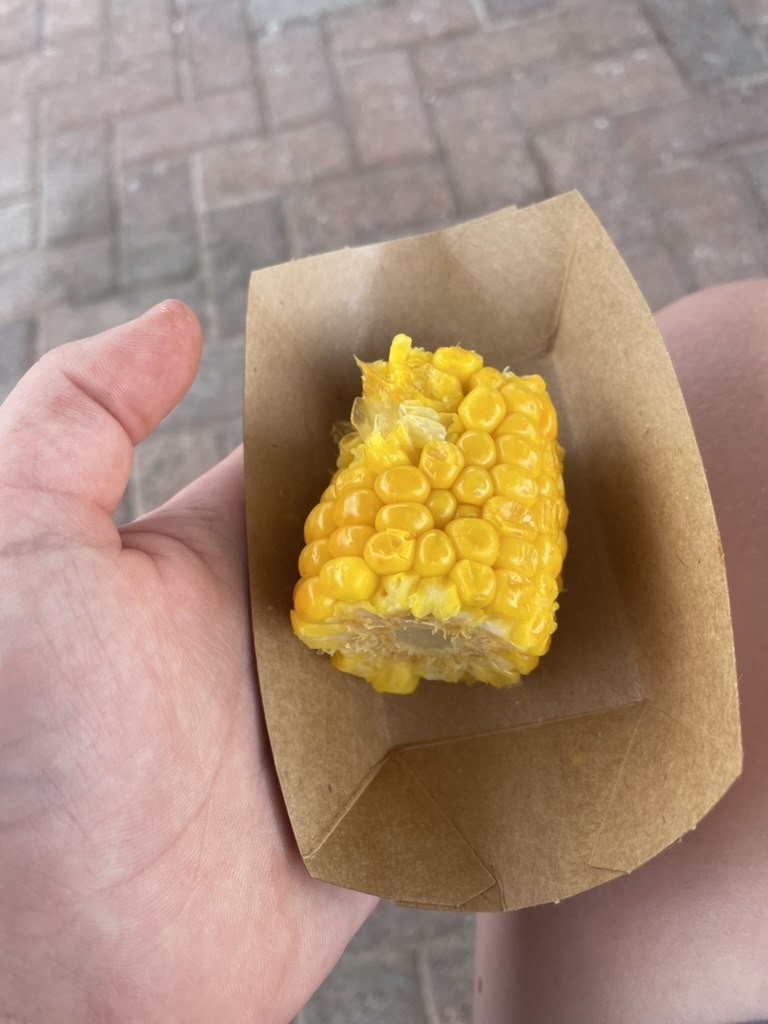
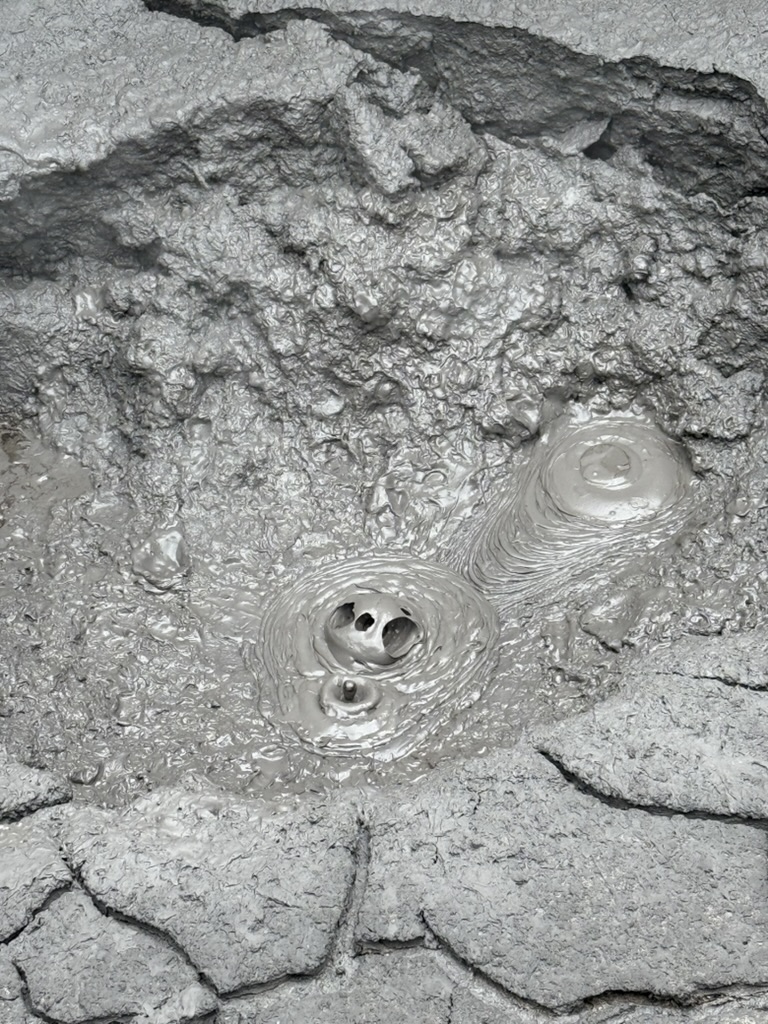
We ate corn that was boiled in a hot spring. I was surprised by the taste – I thought it would taste like sulphur because that is what the whole area smells like; but no, the corn was delicious and tasted fresh. We saw how the villagers enjoy baths as well: the bathing system also made use of the springs. Hot water from the spring runs through a system of tubes and pipes and fills up baths for the villagers to use. In the pipes, the water cools down to a bearable temperature. We learn that the people of this village believe that their life cycle is related to the cycle of the water in their village, and it is easy to see why. The water goes from cooking, to cleaning, to the river where they make their money. After seeing the cool ways the people make use of their natural resources, we went to see a cultural show. We were shown a lot of games like Poi and Ti Ratio. The people believe that games help to strengthen the bodies and minds of children. The performers also sang some Maori songs, and performed a Haka dance – a type of intimidating war dance meant to scare away any opposition. I can see why it is so scary. It involves a lot of grunting, eye-popping, and sticking out of tongues. The indigenous culture of New Zealand is rich and full of cool beliefs and customs. It is one that should be protected and preserved in ways just like these performances. Geothermal energy is heavily in use in New Zealand. Whenever we drive in geothermal areas, we see fields of steam with pipelines and turbines and all sorts of things. This is really good for trying to get to a carbon neutral future, but this is only reasonable in areas where there are fault lines or other geothermal fissures. In order to do it in other locations, you need to pump water down into the ground, which causes issues similar to fracking. Then we took a walk around the geothermal activity area. The thermal features are caused because two tectonic plates connect in this area causing a fault line. We saw some crazy clear blue pools that reminded me of my trip to Yellowstone. There was a lake that was radiating steam, and a mudpot that was shooting bubbles of mud out from tiny holes in the ground.
However, the hottest and most dangerous feature was the Angry Grandfather hot spring. The Maori believe that someone has to offer something each day or the spring will overflow and geysers will erupt. That is why it is called the Angry Grandfather. It is super hot at a surface temp of 208.4 degrees, but surprisingly it is not acidic at all, it has a PH of 8.4. It is considered an upwelling spring because it bubbles ferociously. It contains a large amount of chloride and sodium, so it is a deep blue color and is crystal clear. It puts out giant amounts of steam because it is so hot. Even though it is so hot, it supports a huge variety of life. There are a large variety of microbial organisms like Archaea and bacteria. These are single celled organisms that are also called extremophiles. They are called this because some species survive in the most extreme of conditions. There was so much to see in this 1 day!
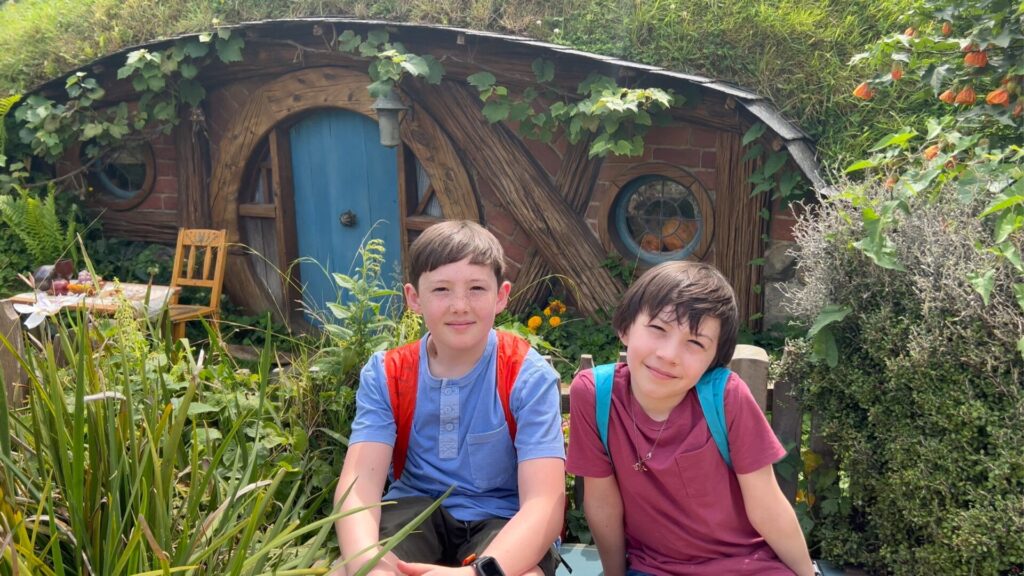
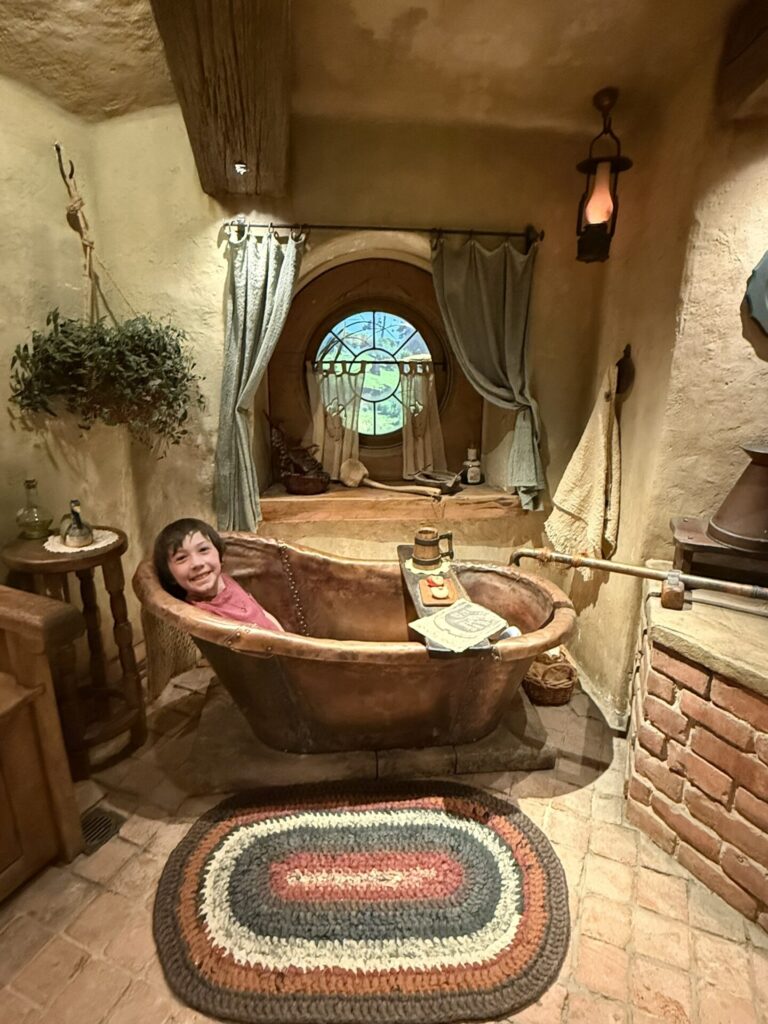
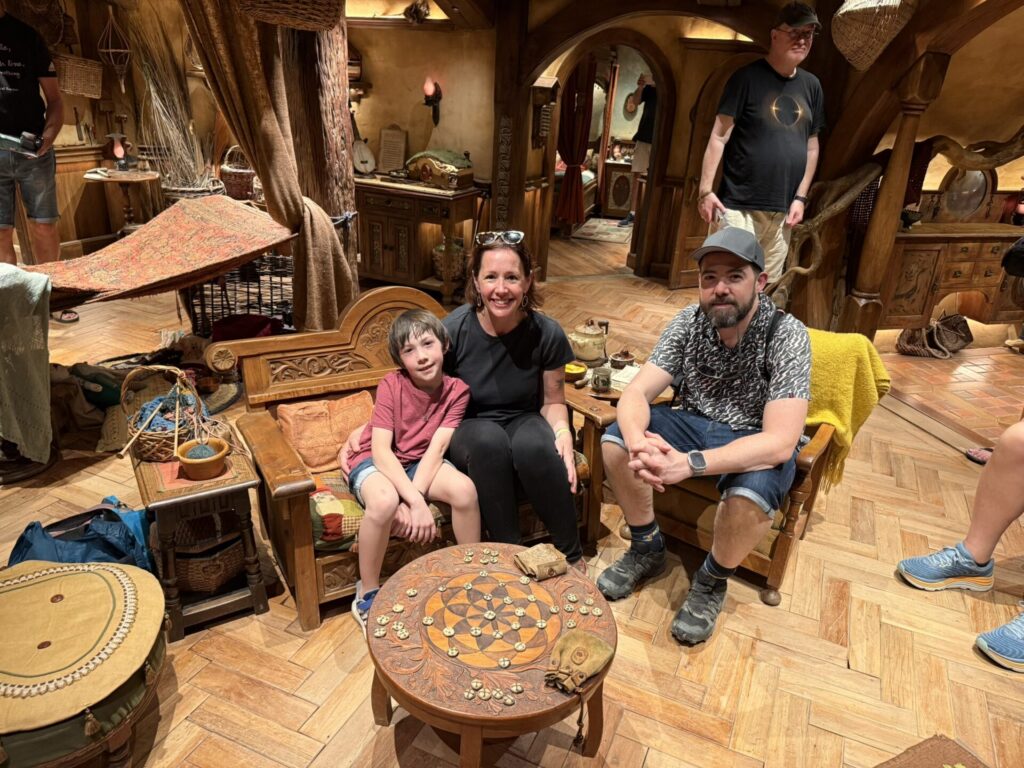
On our third day in New Zealand, we visited the Hobbiton movie set. It was really awesome to see all of the places I recognized from the movies. The Shire was kept very well maintained so the farm owners could profit off of the movie set. It was really cool to see how the director, Peter Jackson brought his artistic vision to life. His whole deal was that he had to have everything in the movie be exact and true to the book. However, in a lot of situations this was impractical so he had to do some impractical things. Because some trees were not the right species, he shipped in huge quantities of artificial leaves to tie onto the old trees. He also had interns hand paint leaves by the thousands to be just the right shade of green. He was certainly a perfectionist. One really cool part of the visit was seeing the inside of a hobbit hole. There was real plumbing and it was very cozy inside. It was cool to see. We also got to eat a hobbit feast at the Green Dragon inn, which we learned Peter Jackson burned down twice for one scene. The feast was delicious. After we watched a baby chase around a duck for 20 minutes, which was one of the cutest things I’ve ever seen. It was a good day.
When I first saw a glow worm, it was pretty fascinating. But it wasn’t the coolest thing – also, there was only one. Later, our tour guide showed us how the glow worms eat and why they glow, and then I got really engaged. Then, after seeing more individual glowworms, we hopped into a raft (still underground). We slowly went through a river that ran through the mouth of the cave. Soon after we turned a corner. There it was, were thousands of glowworms! I could see how bugs thought of them as being the night sky. It was one of the coolest things I’ve ever seen!
As we got deeper the cave got cooler, obviously. It was around 15 degrees celsius I think. In the first cave you could here the river, and that’s just about it. In the second cave you could hear, and unfortunately sometimes feel water droplets, forming the cave itself. Sometimes it was dark, sometimes you saw animal bones, and others you saw glowworms.
I learned that glow worms are not actually worms, they are larvae of a fly! I also learned why they glow. Glow worms actually only produce their glow from one place in their body, an organ in their tails! Bioluminescence is created by a chemical reaction, in this case, inside the glowworms waste. Glow worms glow to attract bugs. (Bugs think they are escaping the cave by seeing the nighttime sky), their glow can only be seen in the dark. They make strands of sticky strands of web (as demonstrated below in the picture). Bugs, trying to escape the cave, fly up and get caught in the strands, then the larvae pull the strand up and eat the bug (kind of like fishing, also kind of like a spider)!
The cave environment is damp and has bugs. The cave environment also provides a dark space. So, the bugs will actually think the glowworms are the night sky. Caves are important for glow worms food. Other animals that I saw in these caves were the flys and other bugs for food, Obviously. I also found huge cave crickets, and albino cave ants. We also saw eels in the river inside the cave. The Glowworms in the Waitomo Glowworm Caves. Are essential to the ecosystem and they help keep the bugs under control. The Maori people have cultural beliefs connected to Waitomo Glowworm Caves. this is why the caves are a taonga in their native language(treasure) and the original entrance was used as a burial ground by the Maori people. According to legend the caves are kept safe by a mythical creature, the Taniwha. Some areas are roped off, railings are drilled and lights are drilled in so the caves are safe to tourists. Cave inspectors come through to check on sinkholes and rivers, for the safety of tourists