Today we visited the Whaka Living Maori Village and Thermal Springs area. It was fascinating to see both the Maori culture and the acidic, bubbling hot springs. First we went on a guided tour of the Living Maori Village. It was really cool to see the way they blend their culture and western culture. First we learned about the Penny Divers of the village. When tourists would throw their coins into the river, children would dive for them and in doing this could make a lot of money. The kids would often buy their own school uniforms and even food with this money. Today, they no longer do this. Next, we saw the central area of the village, where the villagers cooked their food and bathed. Our guide told us that this was the hottest area of the village because of the steam rising from the ground. The whole area is super volcanically active, steam and bubbling pools rise from the ground everywhere. The villagers make use of their natural recourse by cooking their food with geothermal heat. They have built boxes around natural steam vents in the ground, and they are used for meat by slow cookers. They also use the bubbling hot springs to boil eggs and cook vegetables.
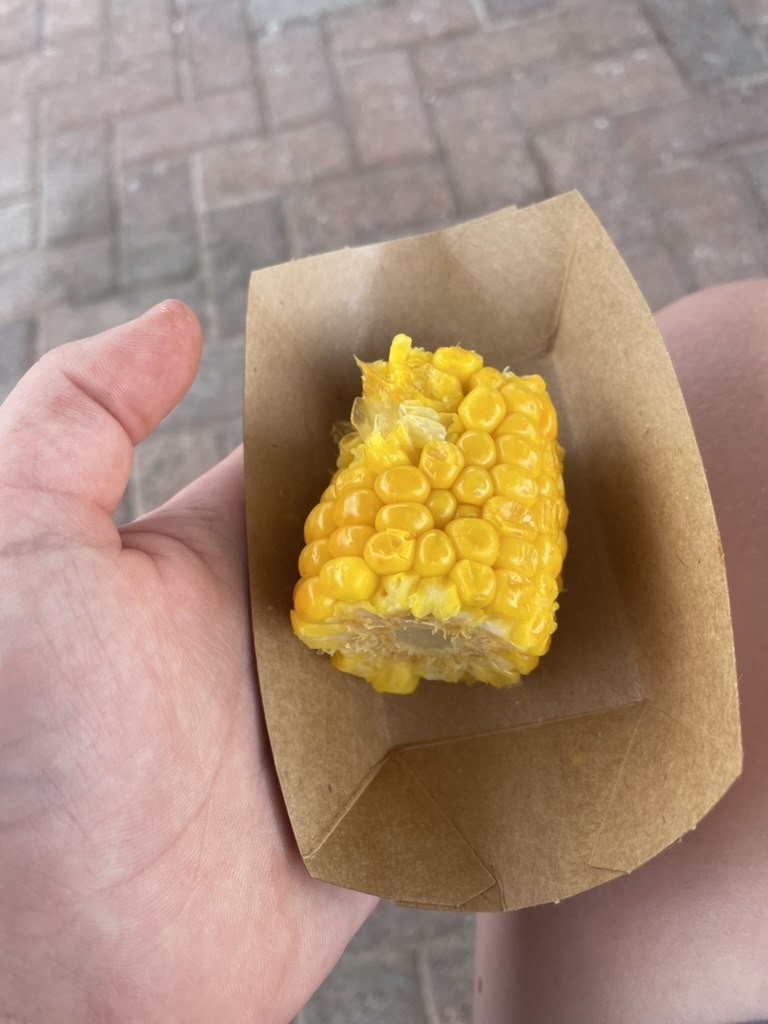
We ate corn that was boiled in a hot spring. I was surprised by the taste – I thought it would taste like sulphur because that is what the whole area smells like; but no, the corn was delicious and tasted fresh. We saw how the villagers enjoy baths as well: the bathing system also made use of the springs. Hot water from the spring runs through a system of tubes and pipes and fills up baths for the villagers to use. In the pipes, the water cools down to a bearable temperature. We learn that the people of this village believe that their life cycle is related to the cycle of the water in their village, and it is easy to see why. The water goes from cooking, to cleaning, to the river where they make their money. After seeing the cool ways the people make use of their natural resources, we went to see a cultural show. We were shown a lot of games like Poi and Ti Ratio. The people believe that games help to strengthen the bodies and minds of children. The performers also sang some Maori songs, and performed a Haka dance – a type of intimidating war dance meant to scare away any opposition. I can see why it is so scary. It involves a lot of grunting, eye-popping, and sticking out of tongues. The indigenous culture of New Zealand is rich and full of cool beliefs and customs. It is one that should be protected and preserved in ways just like these performances.
Geothermal energy is heavily in use in New Zealand. Whenever we drive in geothermal areas, we see fields of steam with pipelines and turbines and all sorts of things. This is really good for trying to get to a carbon neutral future, but this is only reasonable in areas where there are fault lines or other geothermal fissures. In order to do it in other locations, you need to pump water down into the ground, which causes issues similar to fracking.
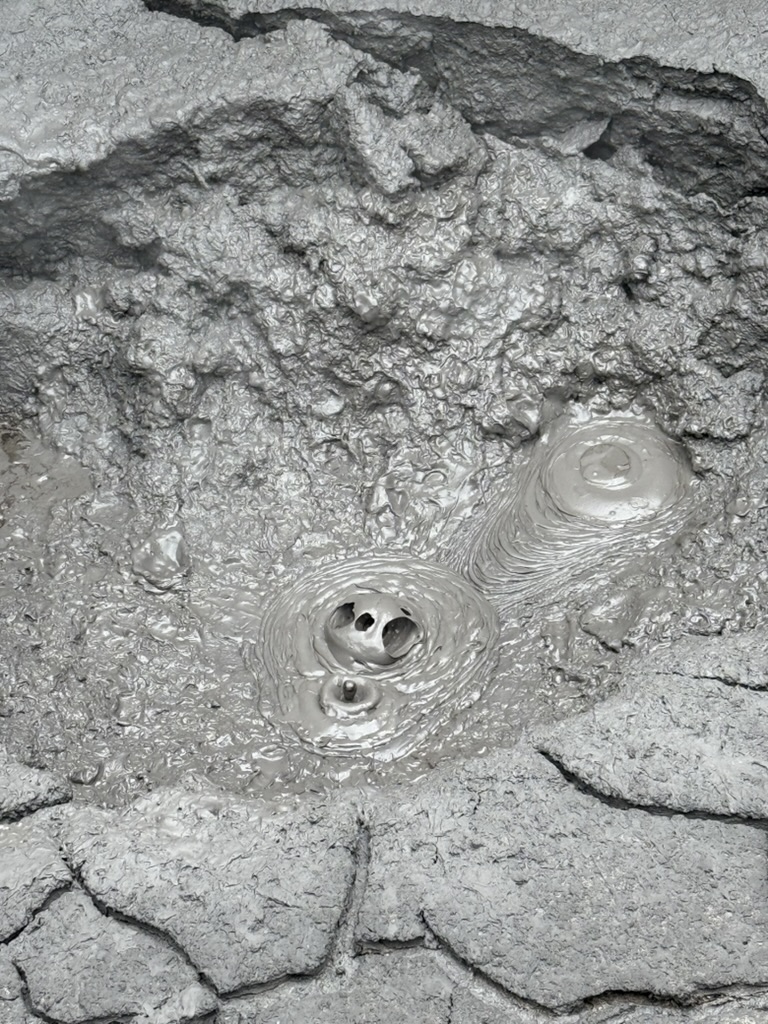
Then we took a walk around the geothermal activity area. The thermal features are caused because two tectonic plates connect in this area causing a fault line. We saw some crazy clear blue pools that reminded me of my trip to Yellowstone. There was a lake that was radiating steam, and a mudpot that was shooting bubbles of mud out from tiny holes in the ground.
However, the hottest and most dangerous feature was the Angry Grandfather hot spring. The Maori believe that someone has to offer something each day or the spring will overflow and geysers will erupt. That is why it is called the Angry Grandfather. It is super hot at a surface temp of 208.4 degrees, but surprisingly it is not acidic at all, it has a PH of 8.4. It is considered an upwelling spring because it bubbles ferociously. It contains a large amount of chloride and sodium, so it is a deep blue color and is crystal clear. It puts out giant amounts of steam because it is so hot. Even though it is so hot, it supports a huge variety of life. There are a large variety of microbial organisms like Archaea and bacteria. These are single celled organisms that are also called extremophiles. They are called this because some species survive in the most extreme of conditions.
There was so much to see in this 1 day!

Leave a Reply to Don Randall Cancel reply